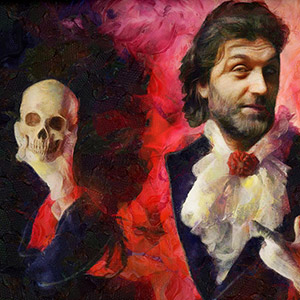
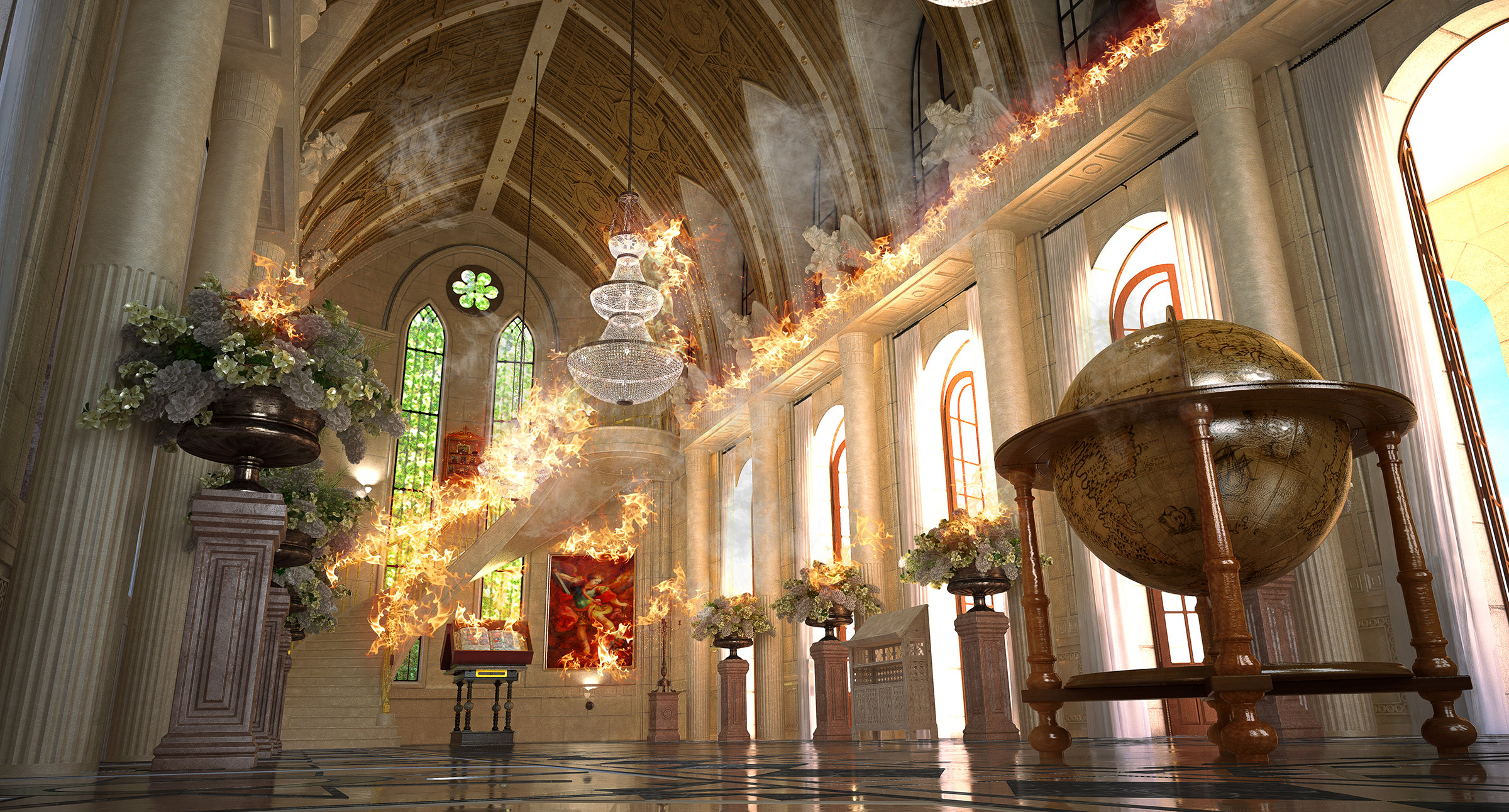
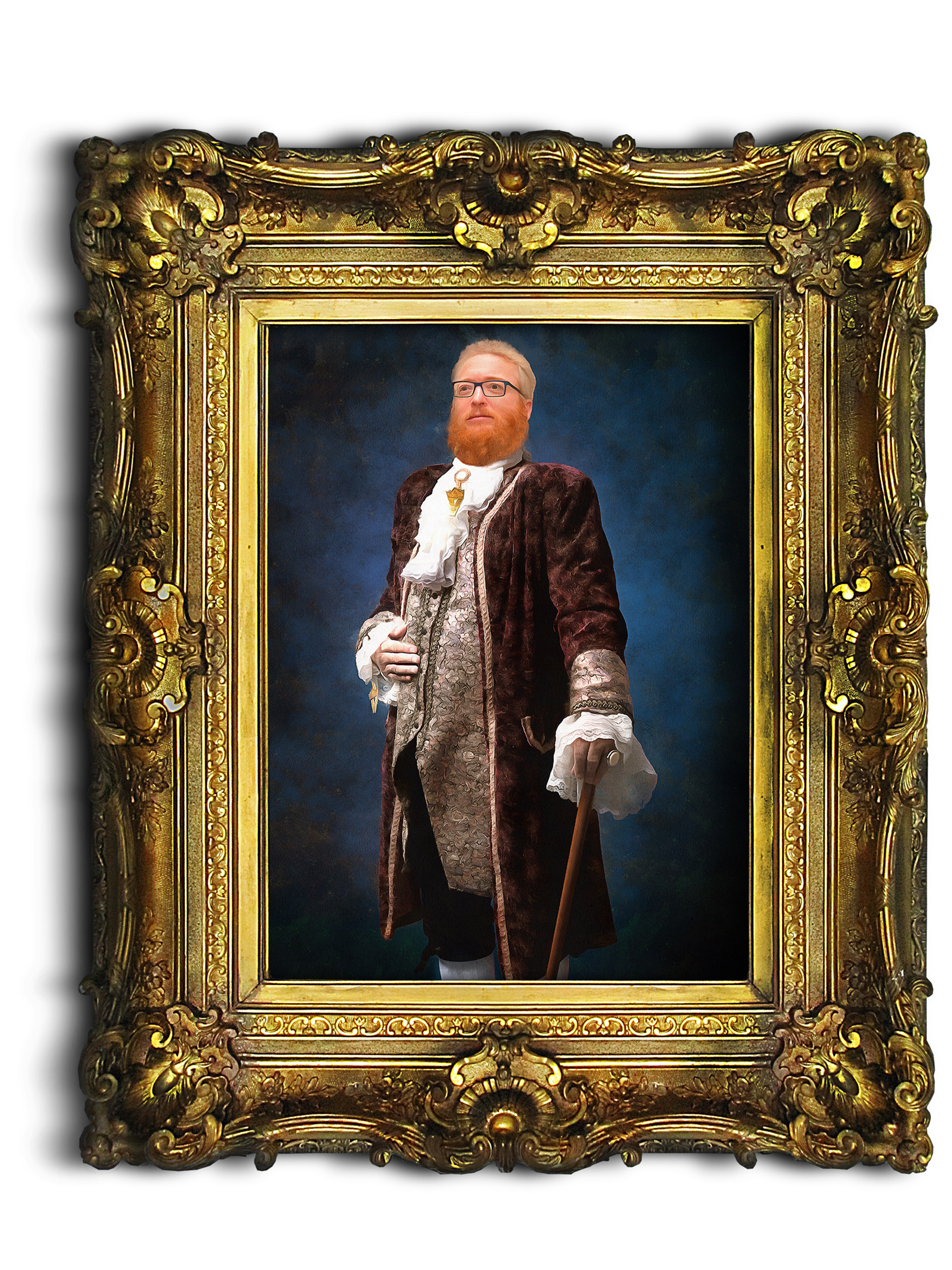
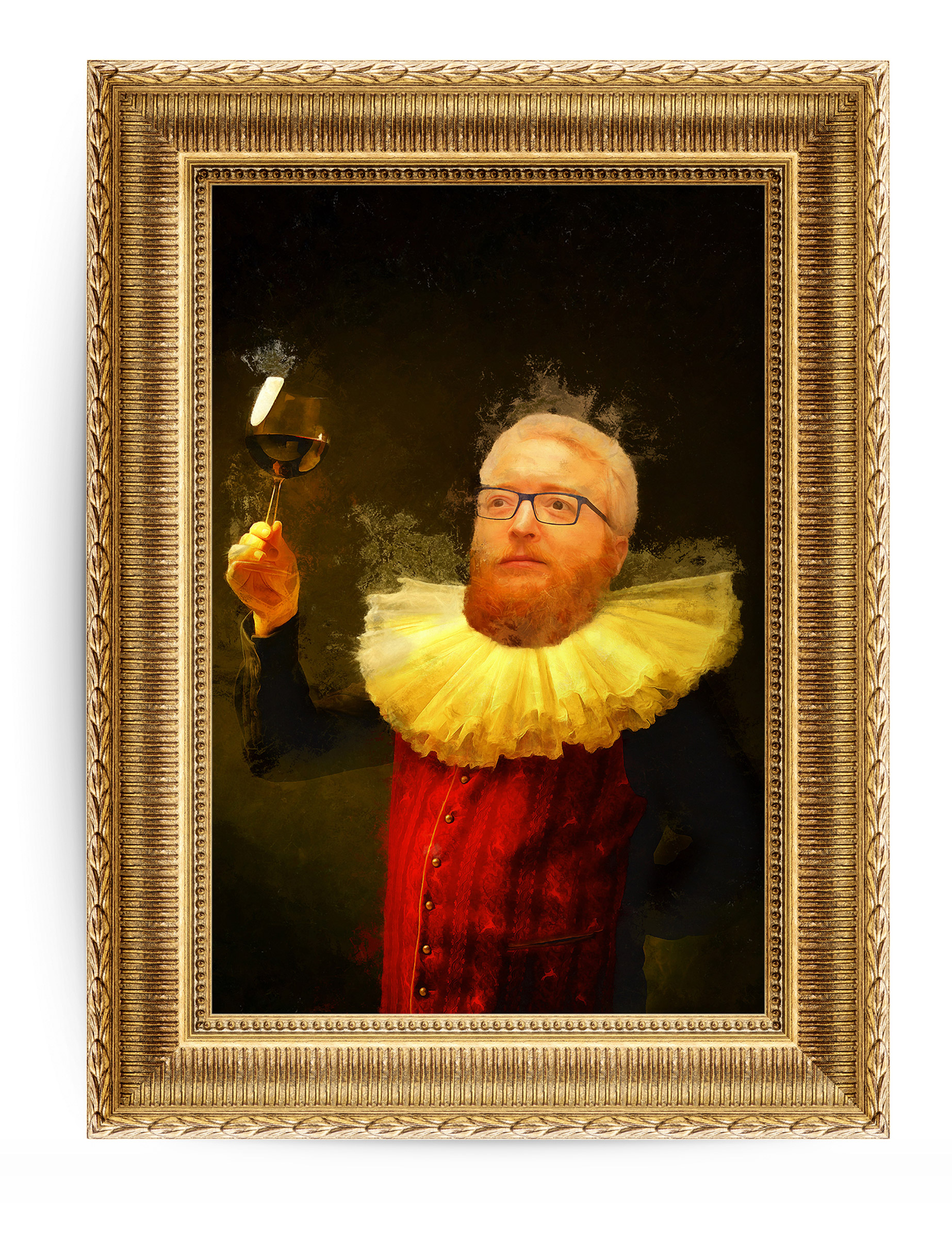
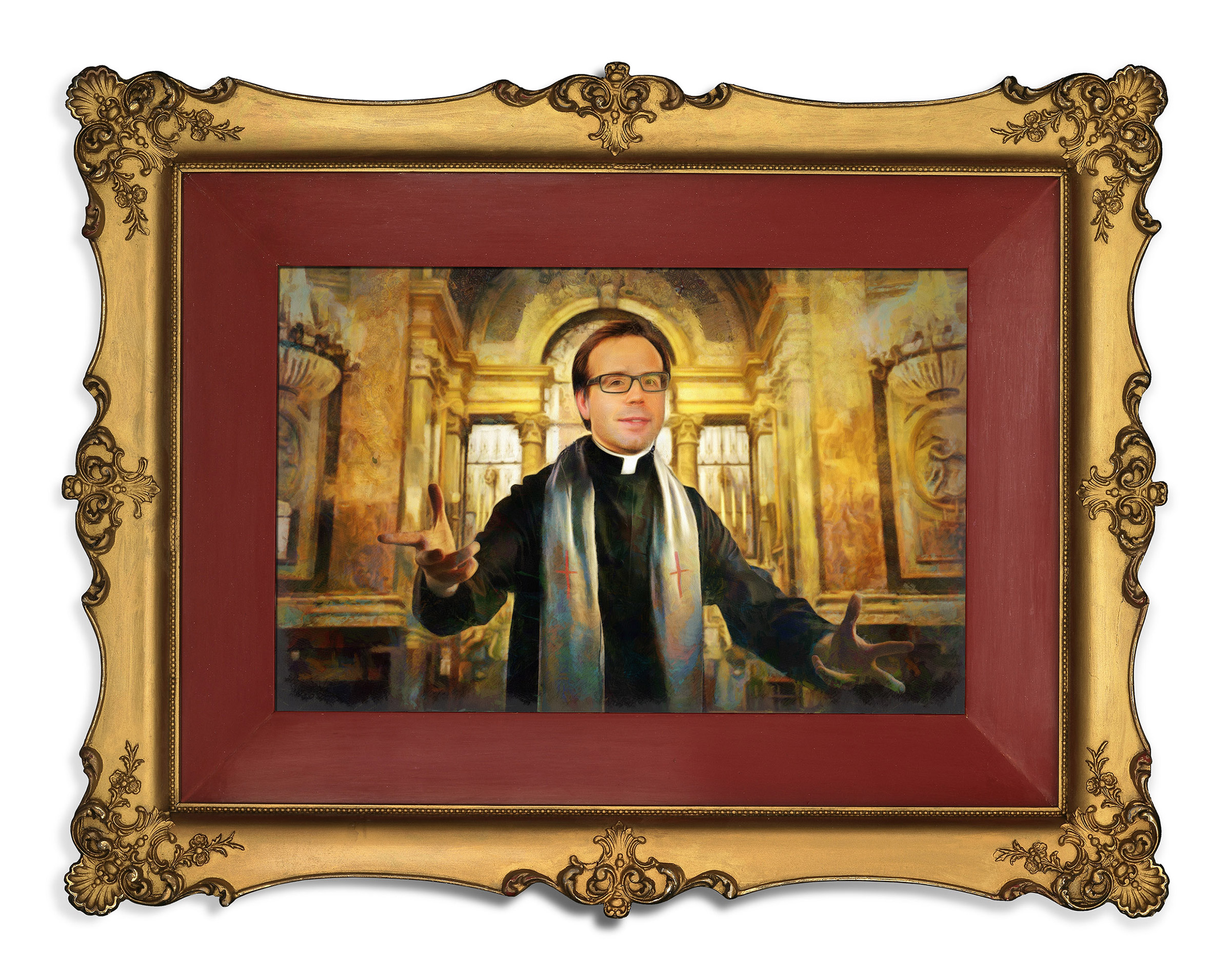
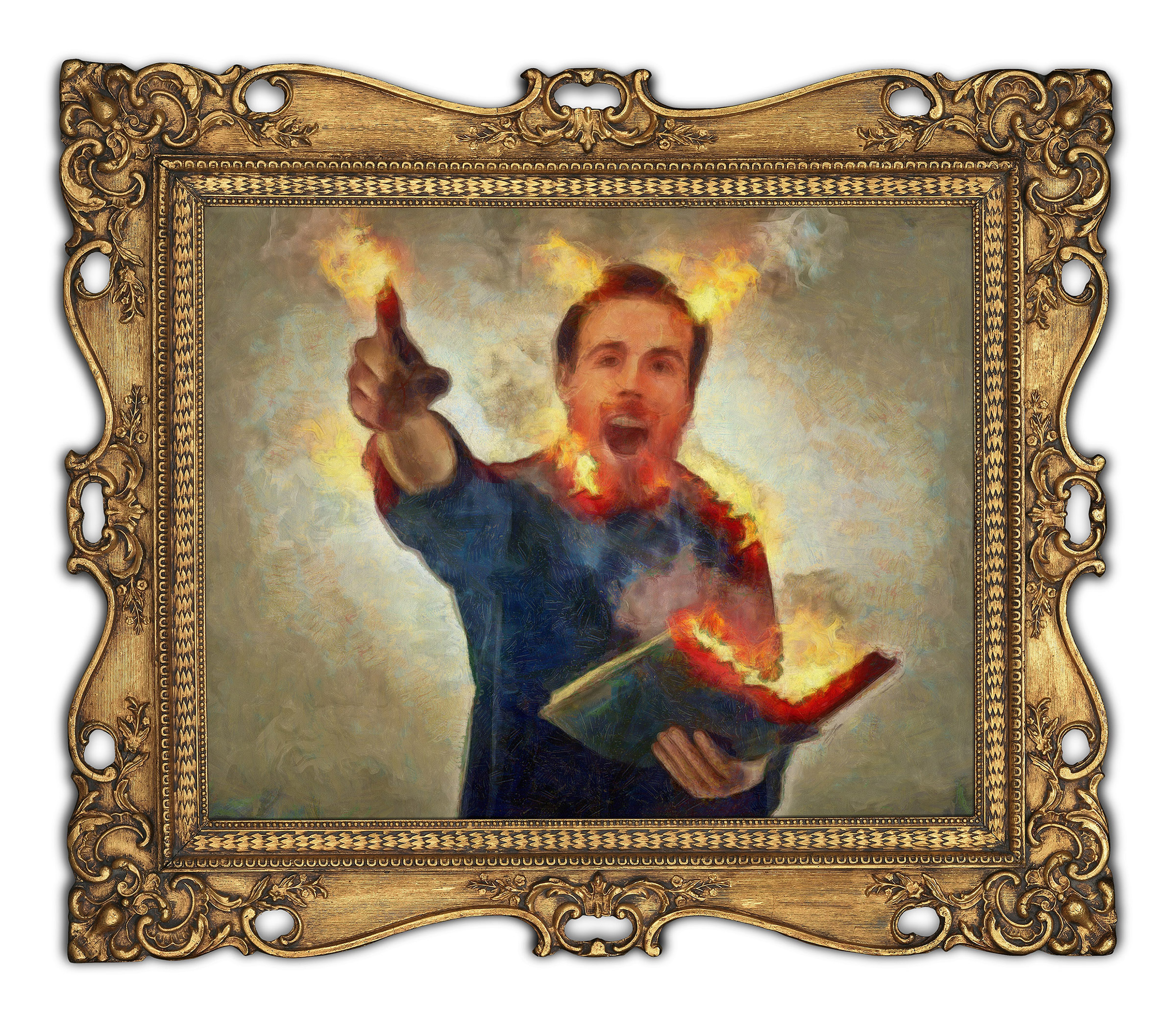
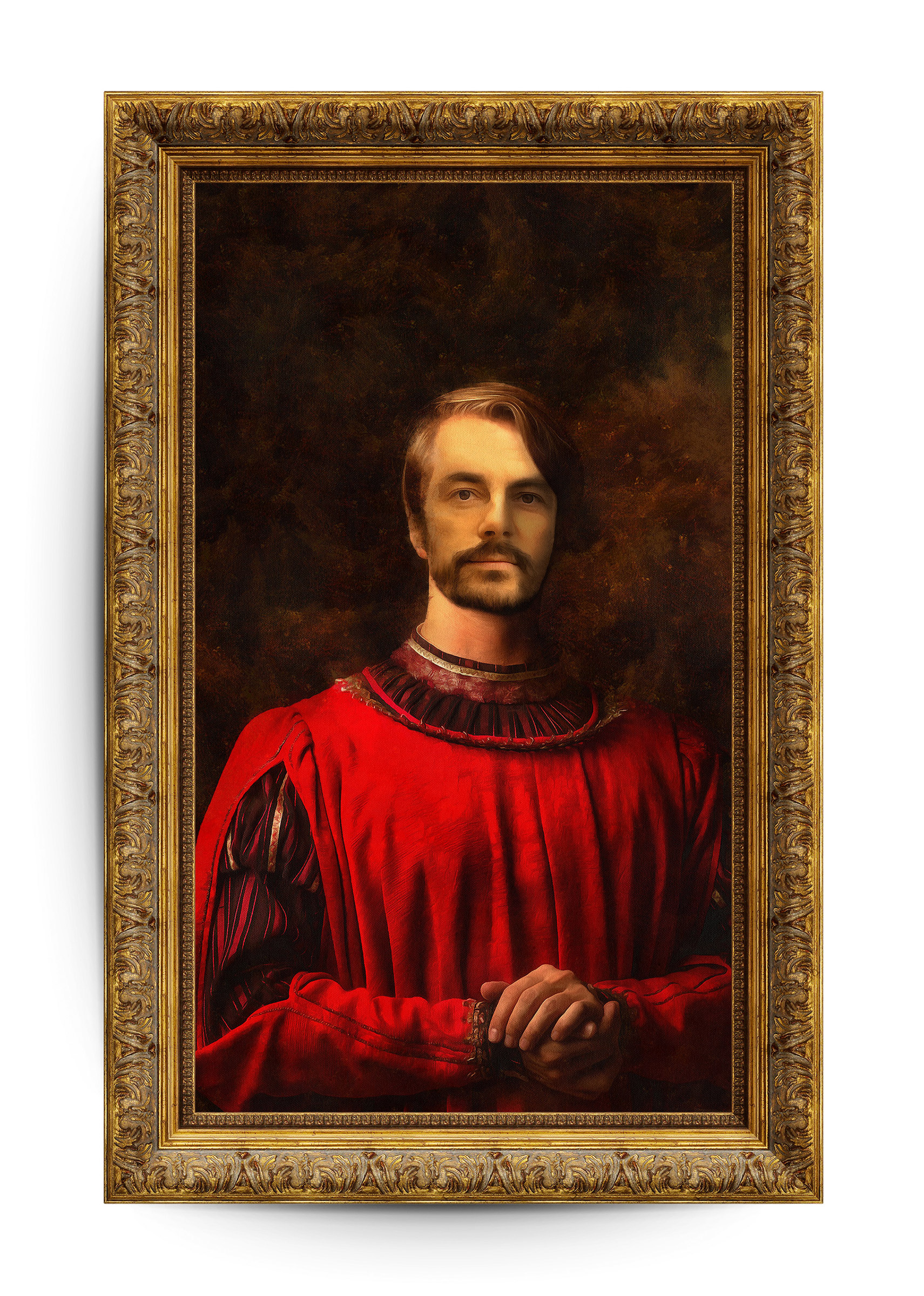
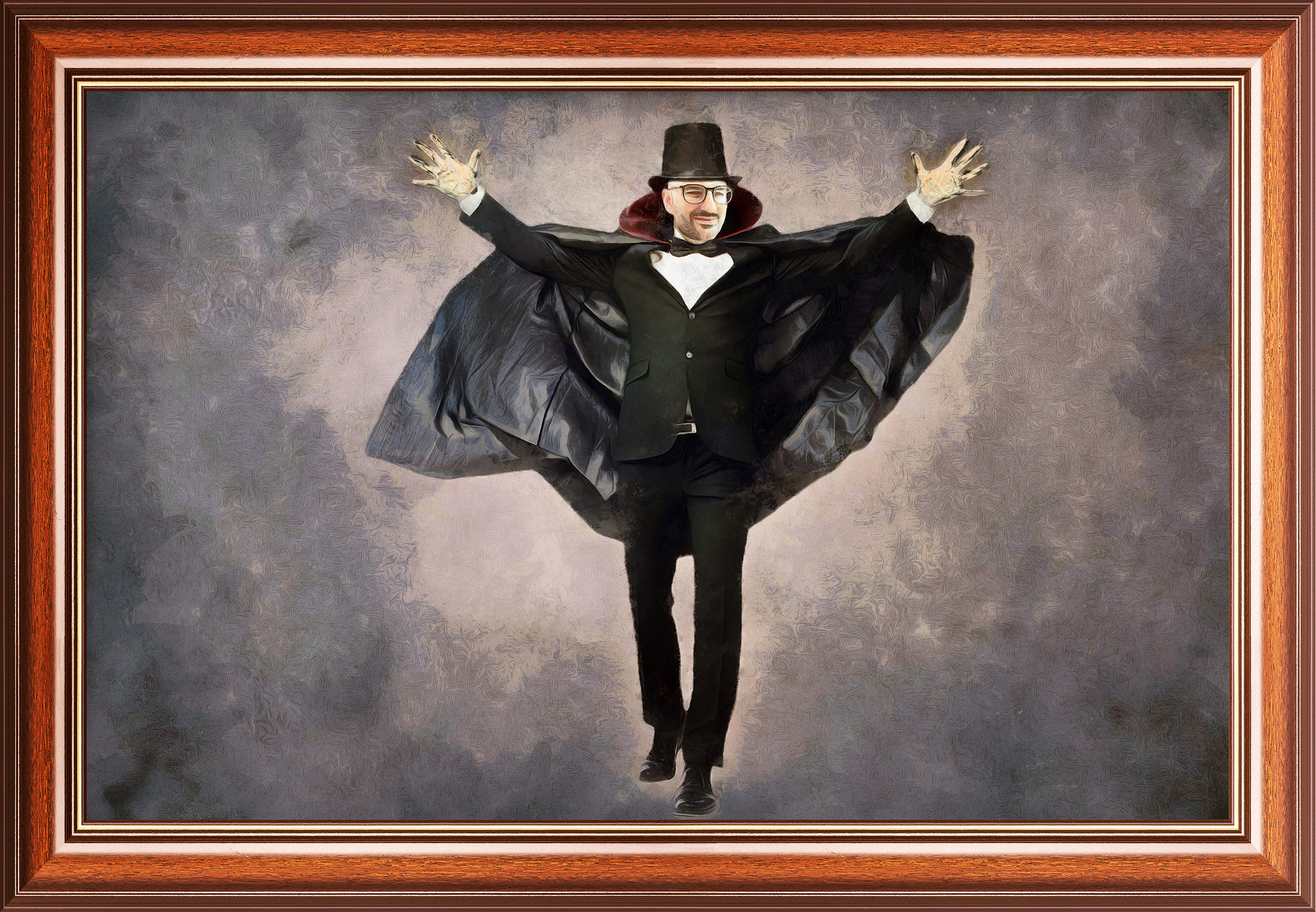
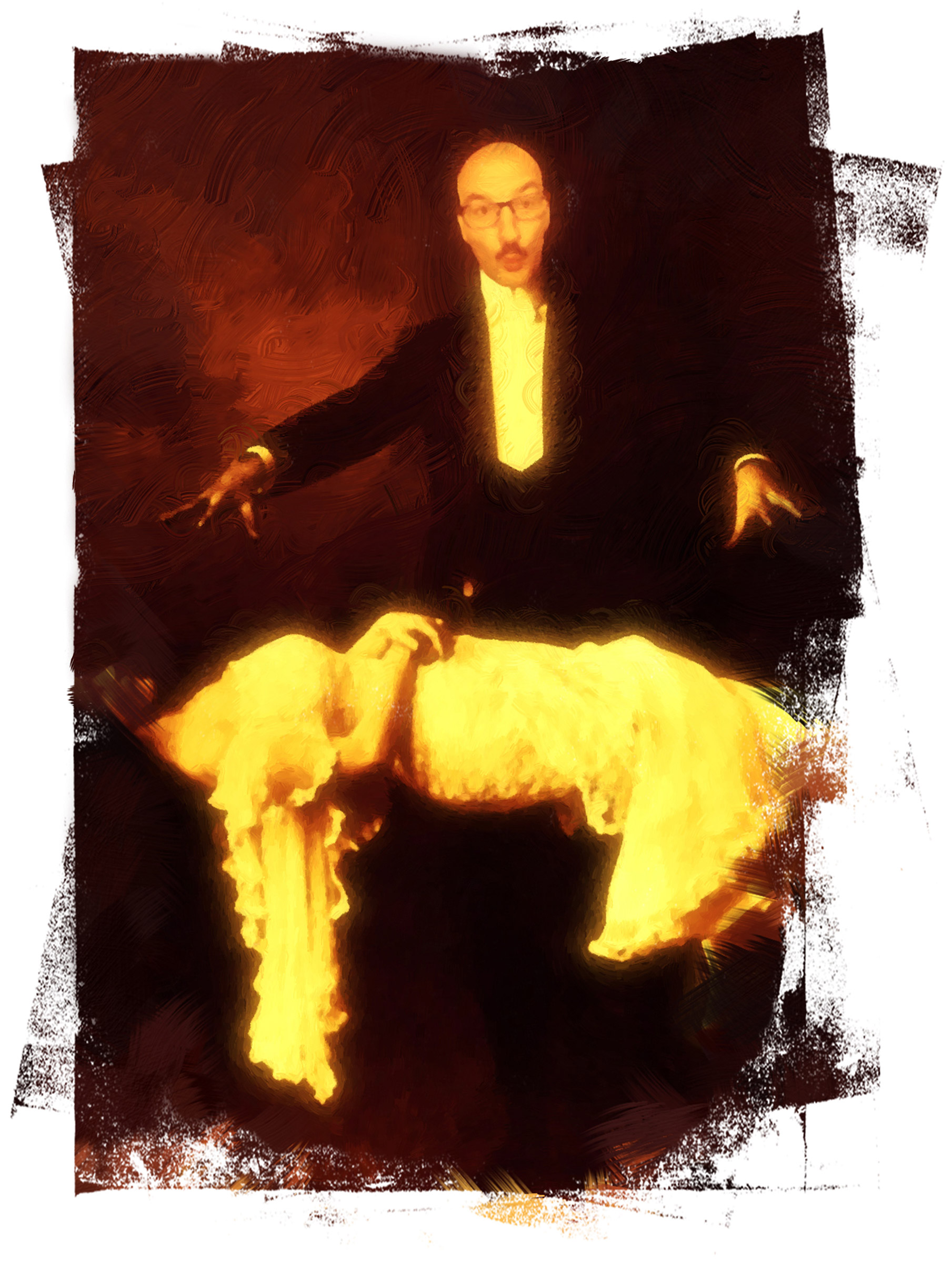
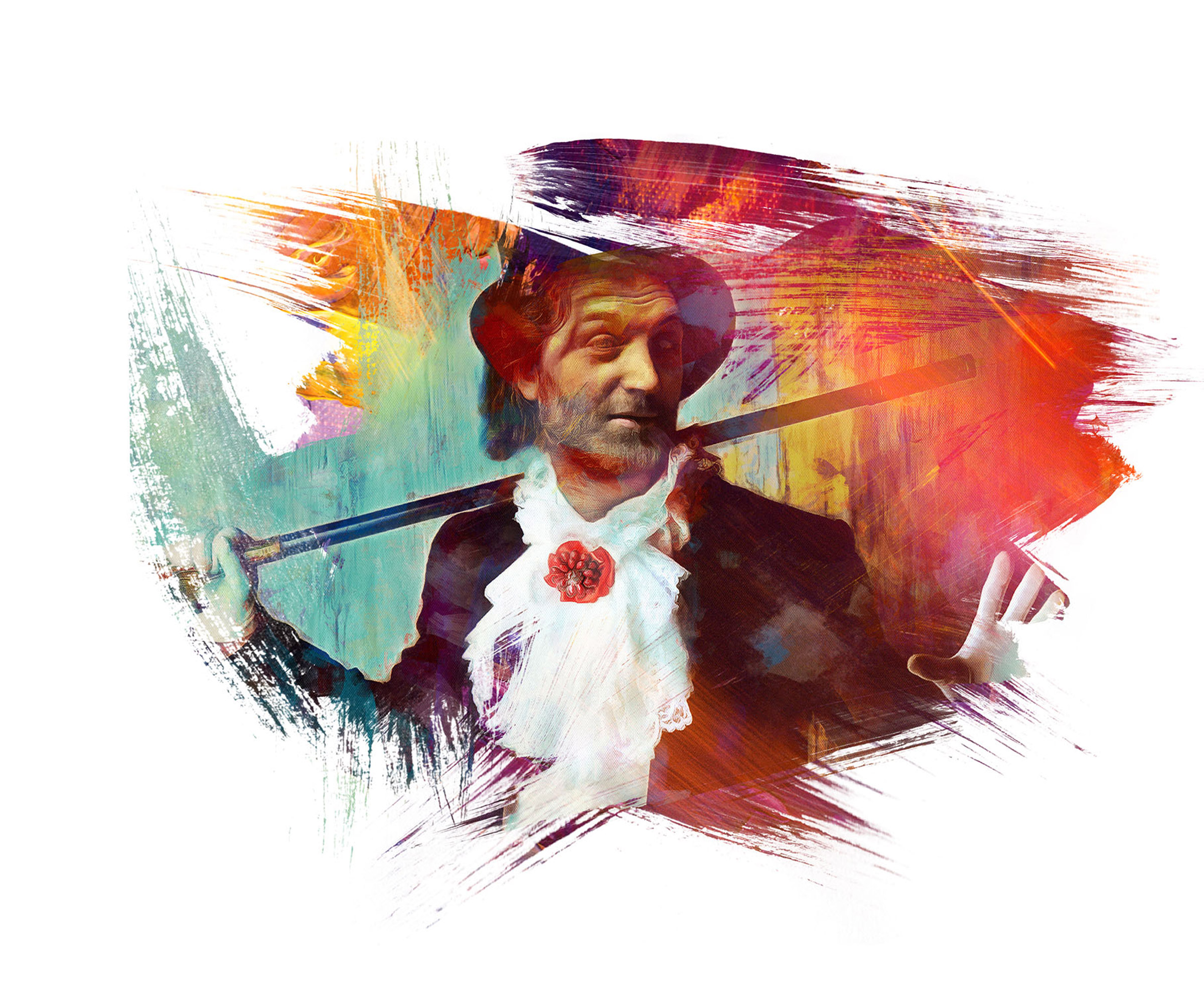
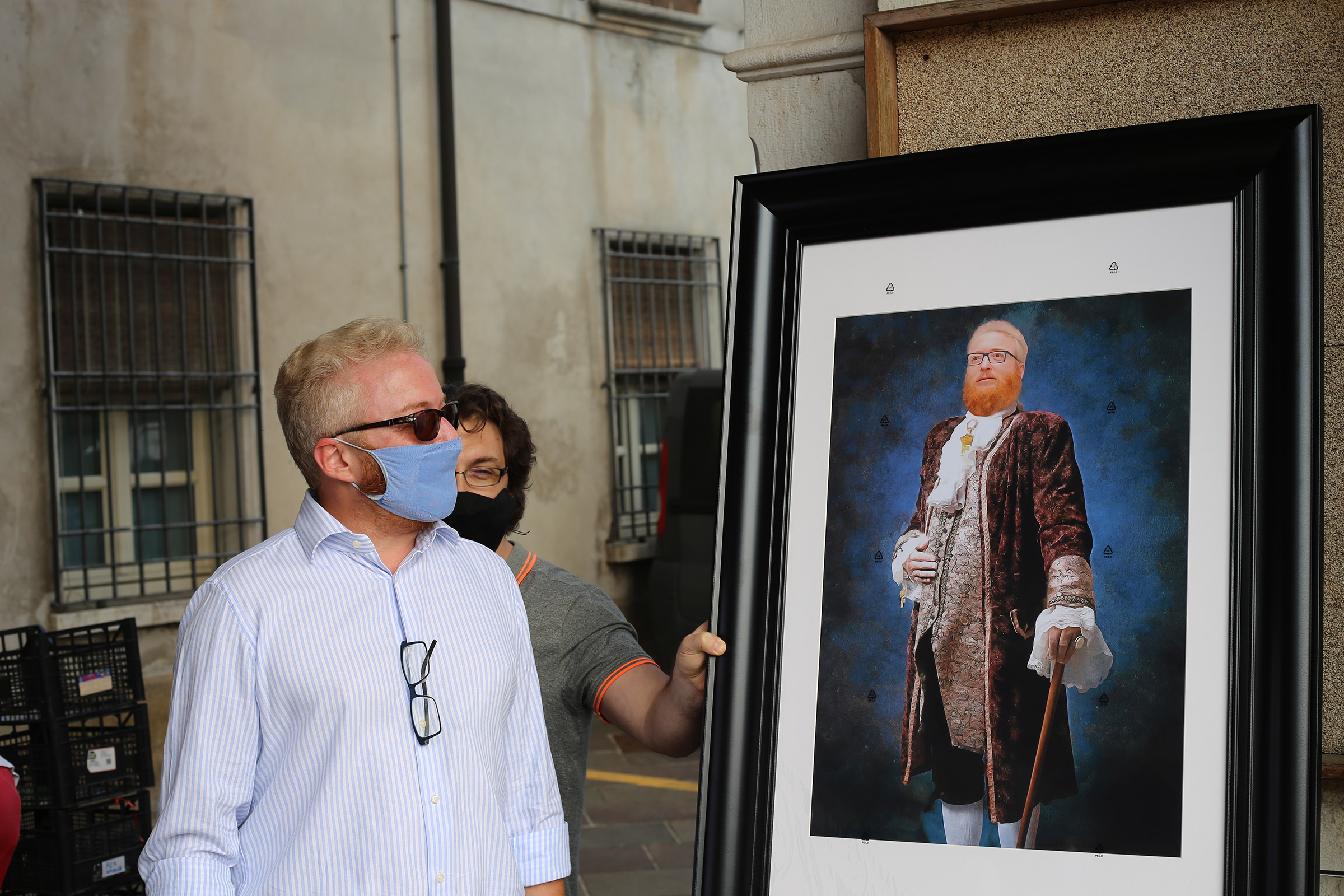
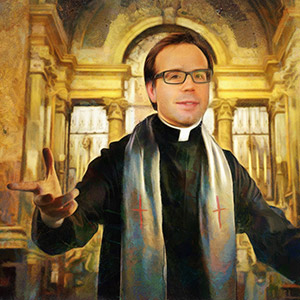
Displaying fervent religious devotion before the foolish commoners, the Duke of Düsseldorf did not refrain from making a generous contribution to the parish. Certain he was being watched, he waved a large-denomination banknote, using it as bait to draw out the barely concealed greed of the pious woman collecting alms.
Rapturous sighs and envious snorts followed one another in an unending relay as he brazenly waved the note.
The gesture was certainly not elegant, nor suited to the decorum a church service demands—but what did that matter?
With a resolute, authoritative air, he plunged his hand into the collection bag, sinking his fingertips all the way to the bottom.
Concealing his true intentions, the nobleman broke into a disarming smile, its alabaster-white teeth brightening the entire nave. The faithful were won over by his seraphic expression, and everyone’s attention was drawn to the man’s resolute jaw and aristocratic features.
The donation was mere pretence: inside the alms bag, the deception unfolded. He clenched his fingertips like claws and firmly seized every banknote deposited there, avoiding all those vulgar metal coins. He withdrew his fist, greedily hiding the loot. At once he concealed the theft in his overcoat pocket, deftly stowing the stolen money; then he displayed his spotless palm and greeted the believers with smug condescension.
Father Liborius, who officiated at the services, never suspected the crime, although at the end of Mass he collected only coins. In every sermon he harshly criticised his parishioners’ avarice and urged them to give with lavish generosity, achieving only the result of enriching the Duke further while collecting even fewer small coins.
“I cannot fathom your stinginess,” he concluded sadly from the pulpit. “Be generous; do not dispense nothing but meagre alms.”
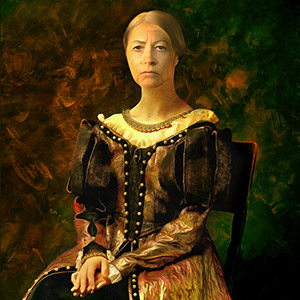
The Duke himself suggested a solution to this grotesque tangle, reminding everyone that the offerings ought to include at least one banknote—the very one he had personally consecrated under the watchful eyes of those present. He made no accusation; the devotees’ own logic established the guilt of the mild-mannered woman who collected the offerings. The frail old woman was weighed on the scales of public opinion, found wanting and judged without mercy. The faithful’s pity turned to anger and contempt; tempers flared until someone in the nave shouted, “Burn her at the stake!”
Father Liborius tried to calm the fevered spirits: “The Church, regrettably, abandoned that practice years ago. I forbid you.”
The Duke’s sensibilities were unmoved when the innocent woman was cast out from all human society, mercilessly driven from the city and condemned to exile.
Unsatisfied with the punishment, he himself pelted the old woman with rotten vegetables. He was not troubled by the sight of the outcast limping away in threadbare clothes, crushed by shame and disgrace.
To be born without a conscience has countless advantages.
He chose to ride the wave of civic discontent, inflaming the crowd’s slander so that he might rise still higher as a symbol of moral integrity and an ethical bulwark against vice and every form of baseness.
Father Liborius was captivated by the false virtue radiating from the aristocrat and praised his deeds with heartfelt fervour: “You are an angel descended into this vale of tears to bring comfort. You are a beacon in the darkness, a lofty source of inspiration to every penitent.”
The Duke set off for home; the priest accompanied him.
It was the broken song that never became harmony. Without peace, without beauty. In sorrow, it was the rhythm that turned passion into a scream and melody into tumult. The Duke of Düsseldorf, discovering his wife’s betrayal
with a mime, resolves upon murder to preserve the privileges his marriage secured him. Unburdened by the weight of his crime, he unexpectedly comes into possession of boundless riches with which to indulge his callings and sordid vices. From heaven, across the world, down to hell itself, he will taste the seduction of power, glory and opulence, forgetful of life’s fleeting nature.
To be born without a conscience has countless advantages.
A theatrical hyperbole in which the logic of vice is elevated to norm and rule: the Duke is pure sacrilege, cloaked in splendour and abyss, a form of moral energy that embodies evil not as deviation but as equilibrium.
Spiritual fathers, actors, sociopathic dwarfs, inventors and aristocrats form a procession of gleaming shadows in which every gesture is spectacle and every virtue disguise. The novel proceeds in tableaux, in constant tension between the comic and the metaphysical. It is the distorted mirror of a reckless, corrupt aristocracy in 1930s Germany, a merciless satire of the hunger for power. These sad memoirs have already been translated into 78 languages, including Welsh, Latin, Ancient Greek, Swahili and even Italian.
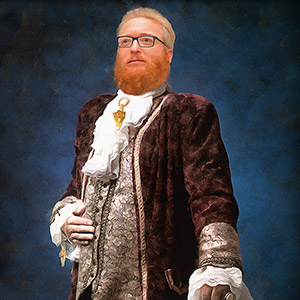
Ignorance gazing upon itself
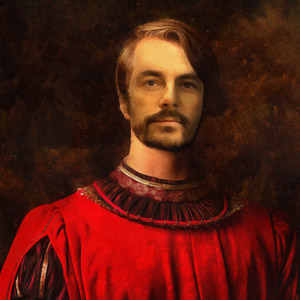
A devastating display of class and elegance
A balance between Reason and Faith
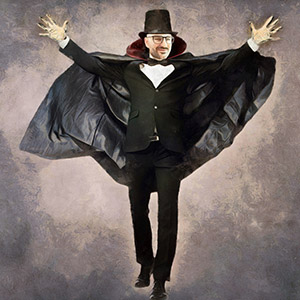
Magic courting Death
The acting machine
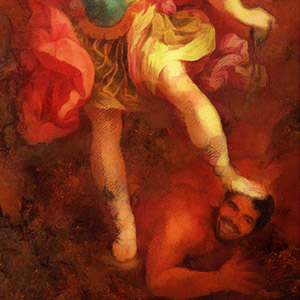
Enemy of the Spirit
The dark side of Nature
A duality of culture and wisdom
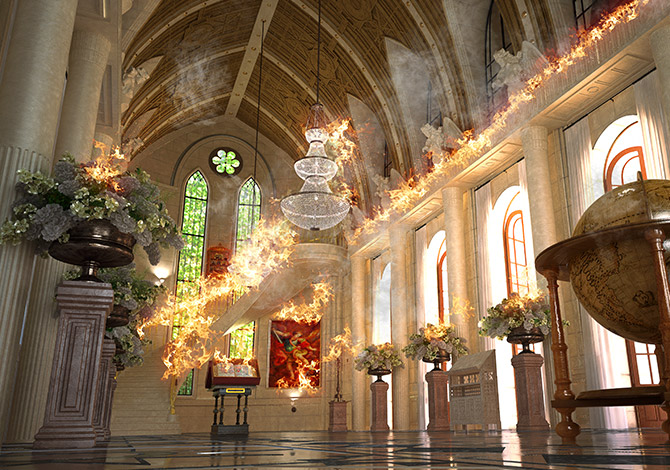
An innovative format combining literature with an immersive experience, a unique offering not only in Italy. Not a soulless gimmick, but a new language of visual storytelling, giving readers an active role: no longer mere recipients of a text, but engaged spectators invited to enter it, explore its spaces and experience its forms.
In theoretical terms, this proposal represents a turning point for the book comparable to the one that Technicolor brought to cinema in 1939: a revolution that does not distort the work, but multiplies its sensory depth.
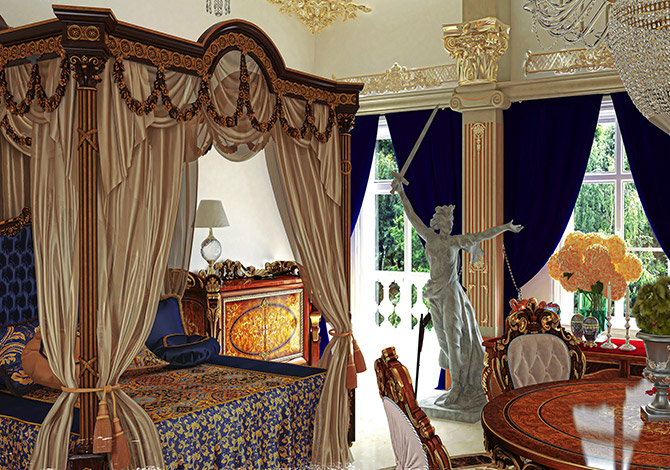
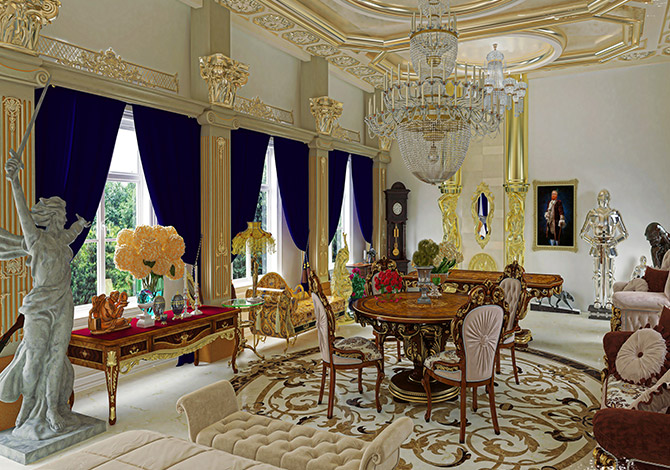
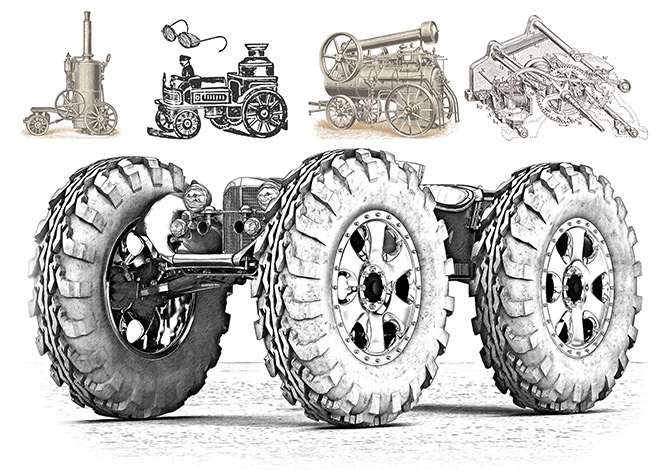
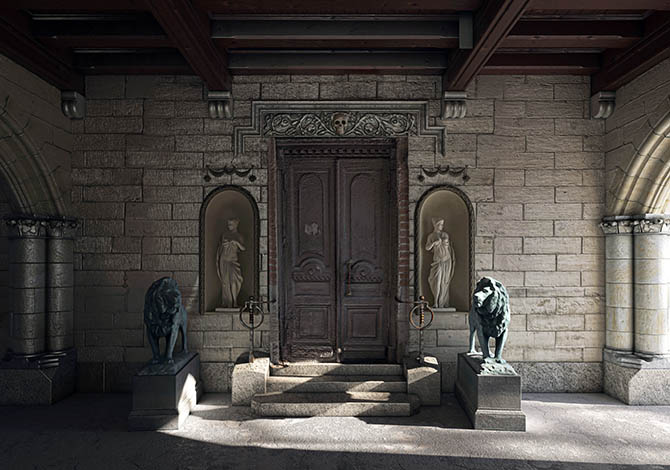
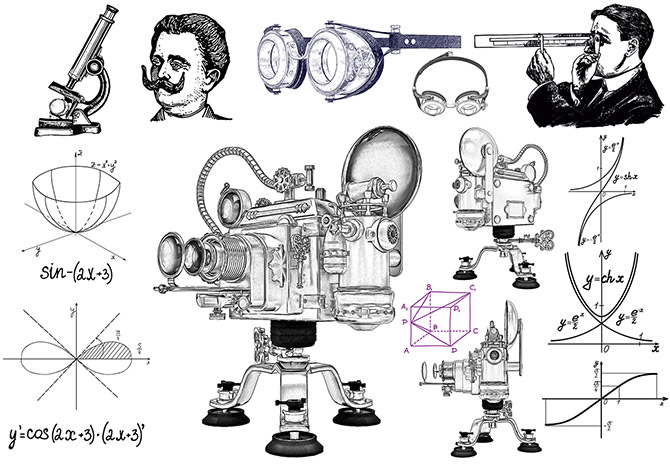
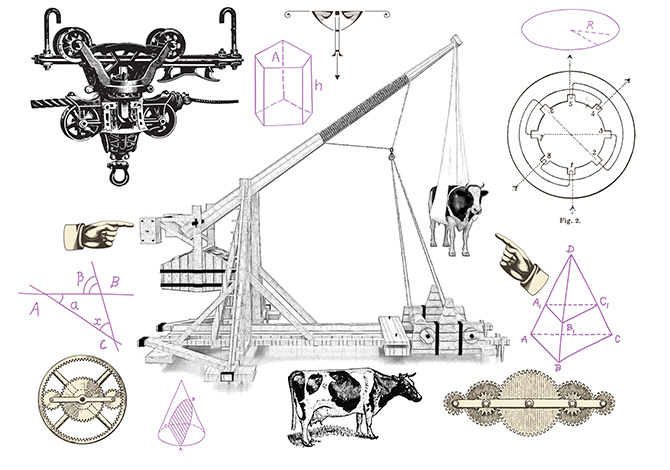
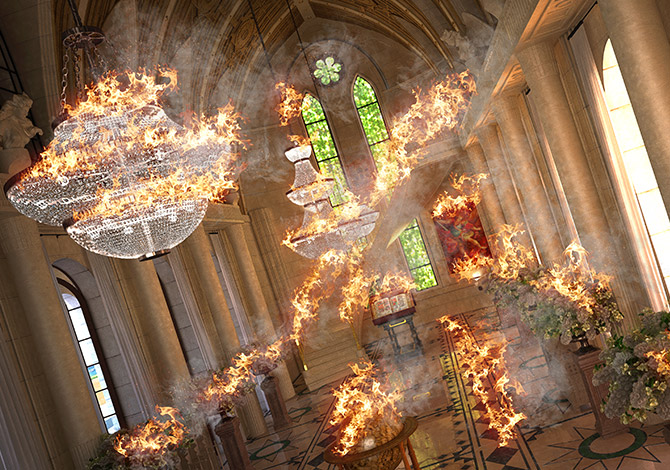
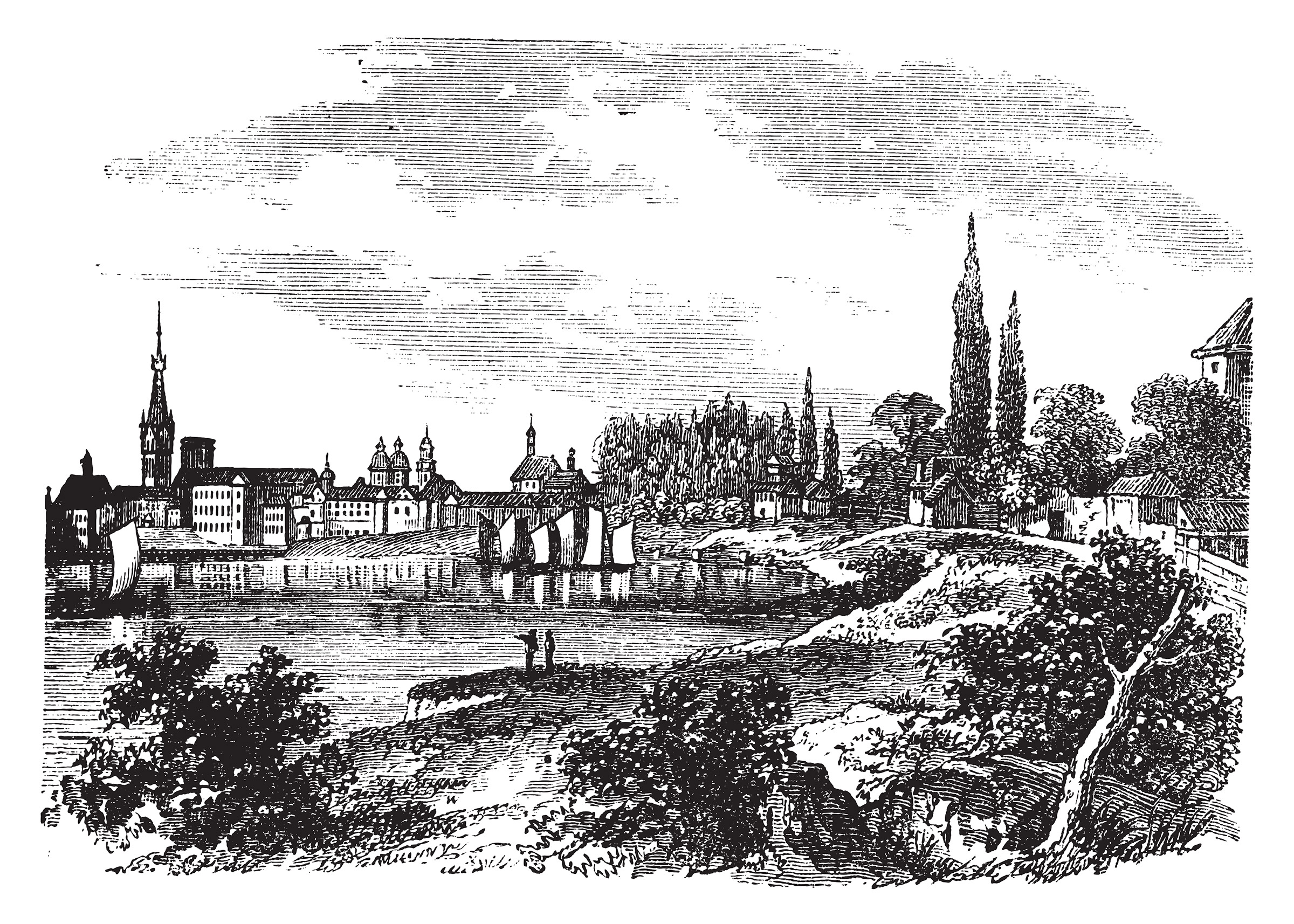
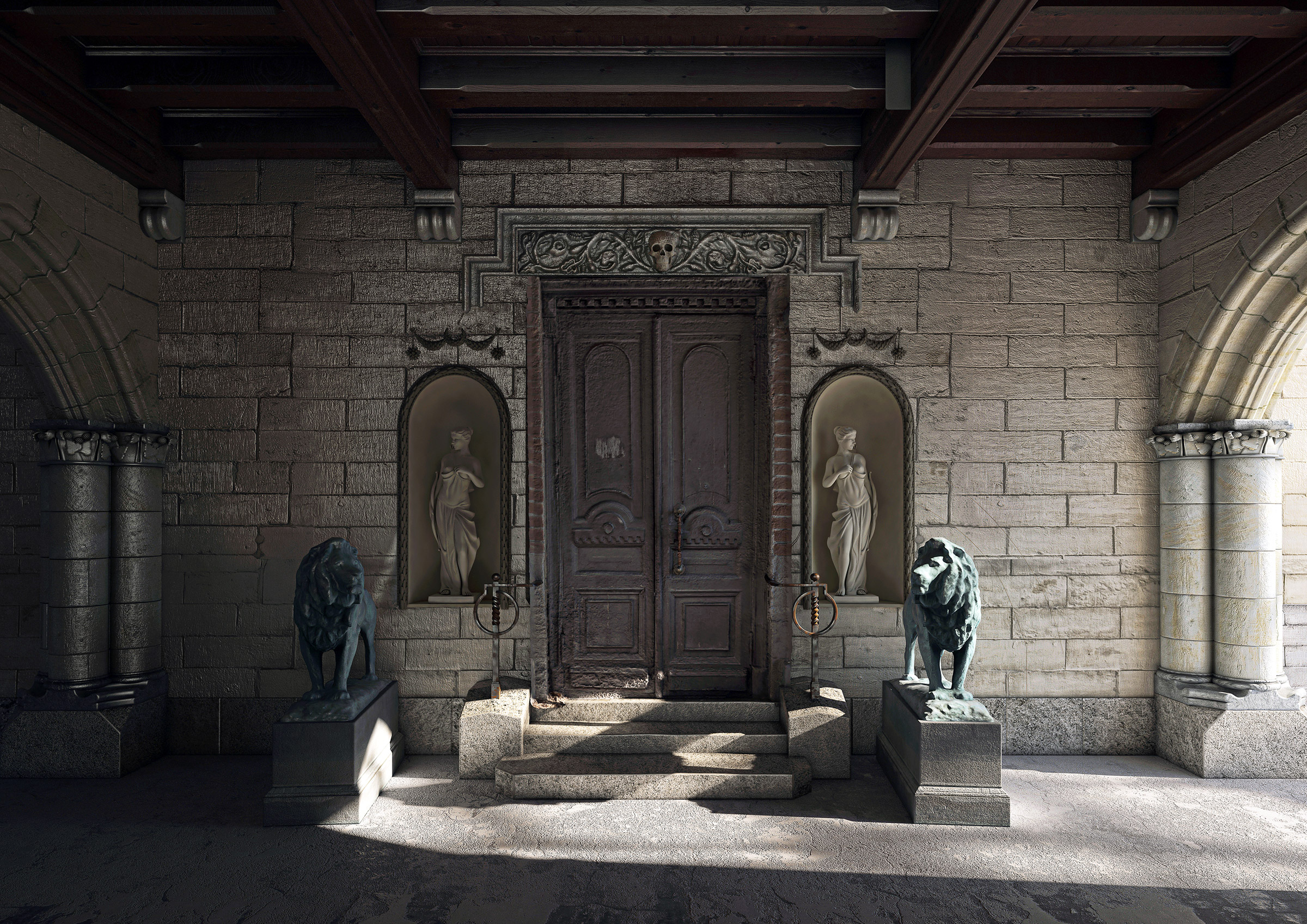
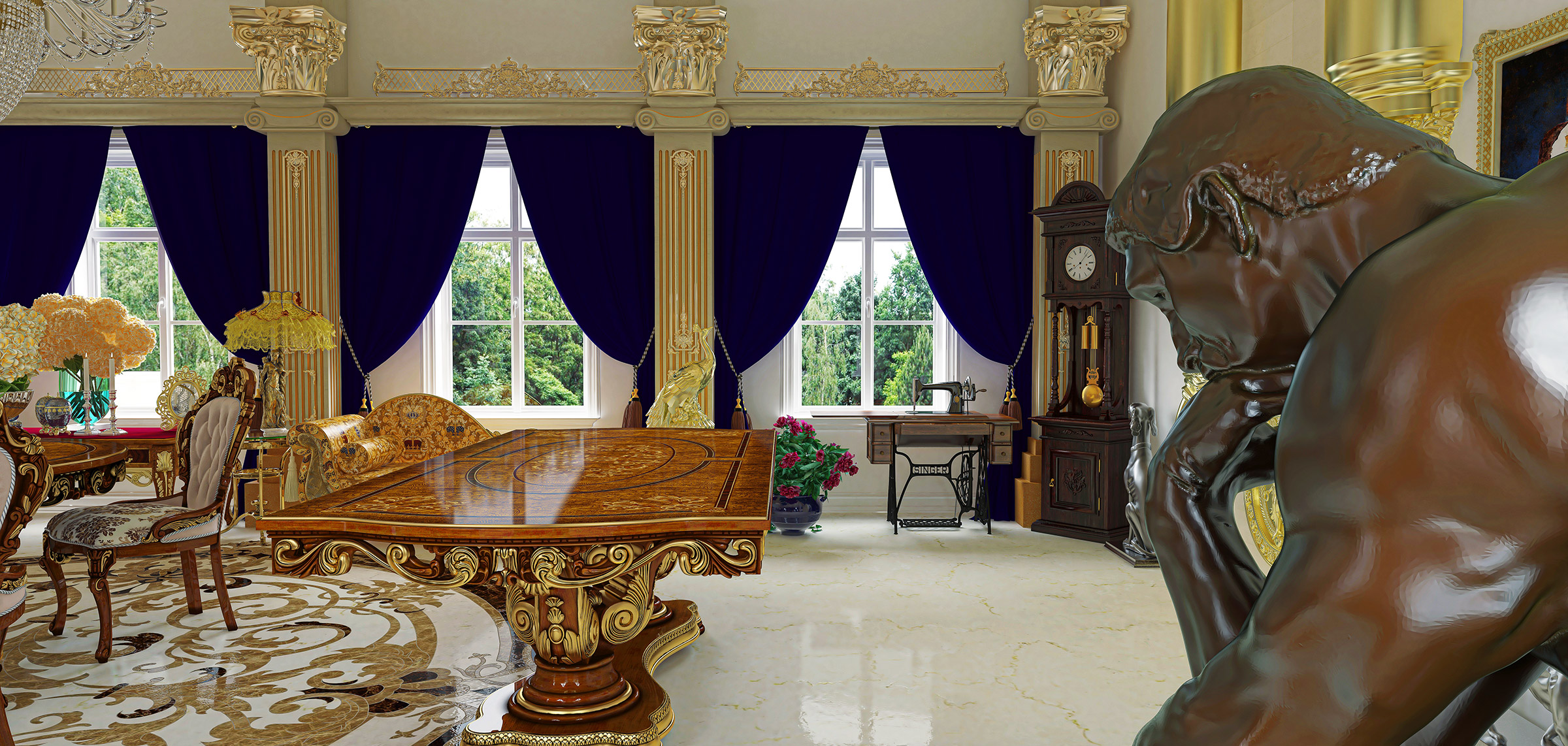
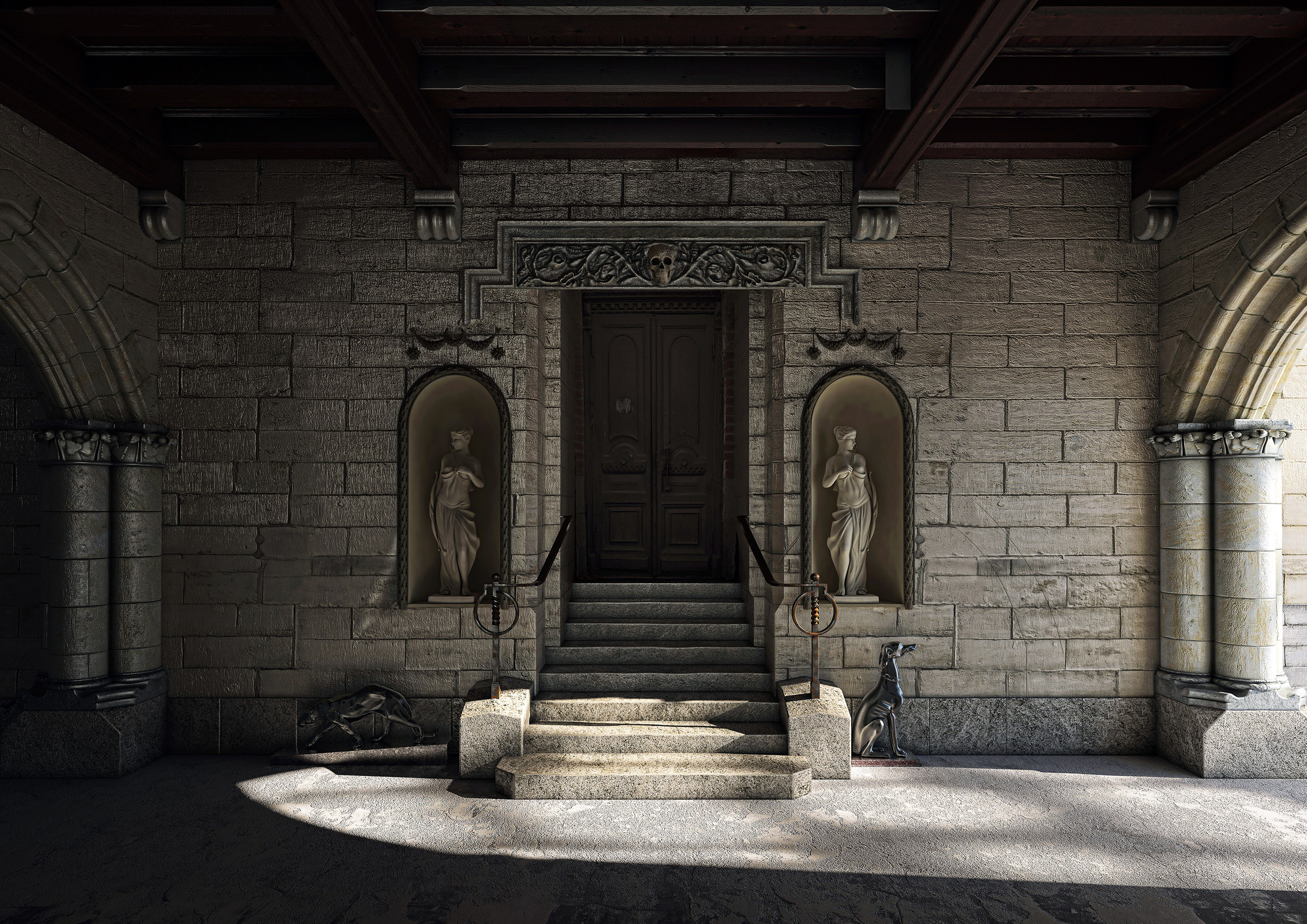
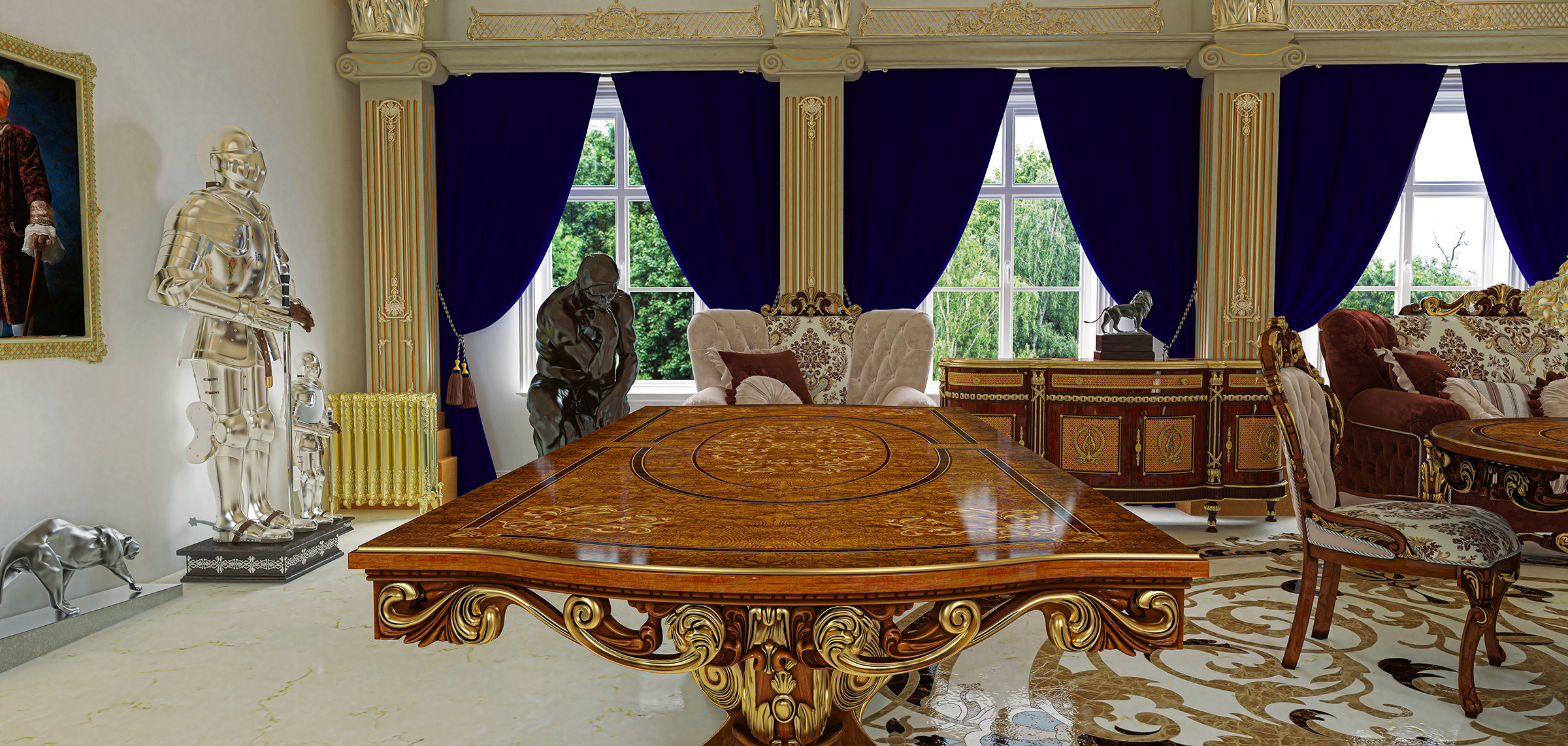
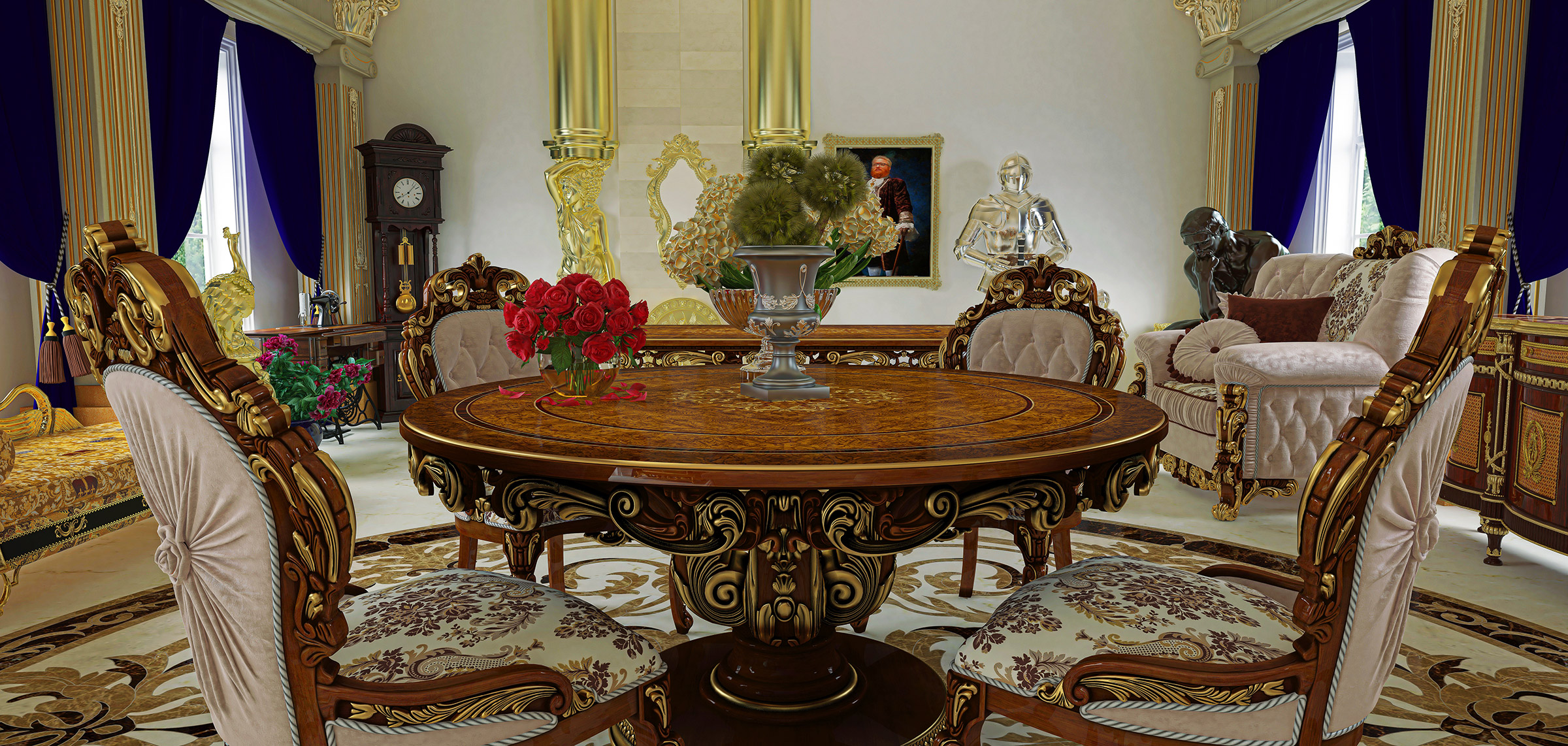
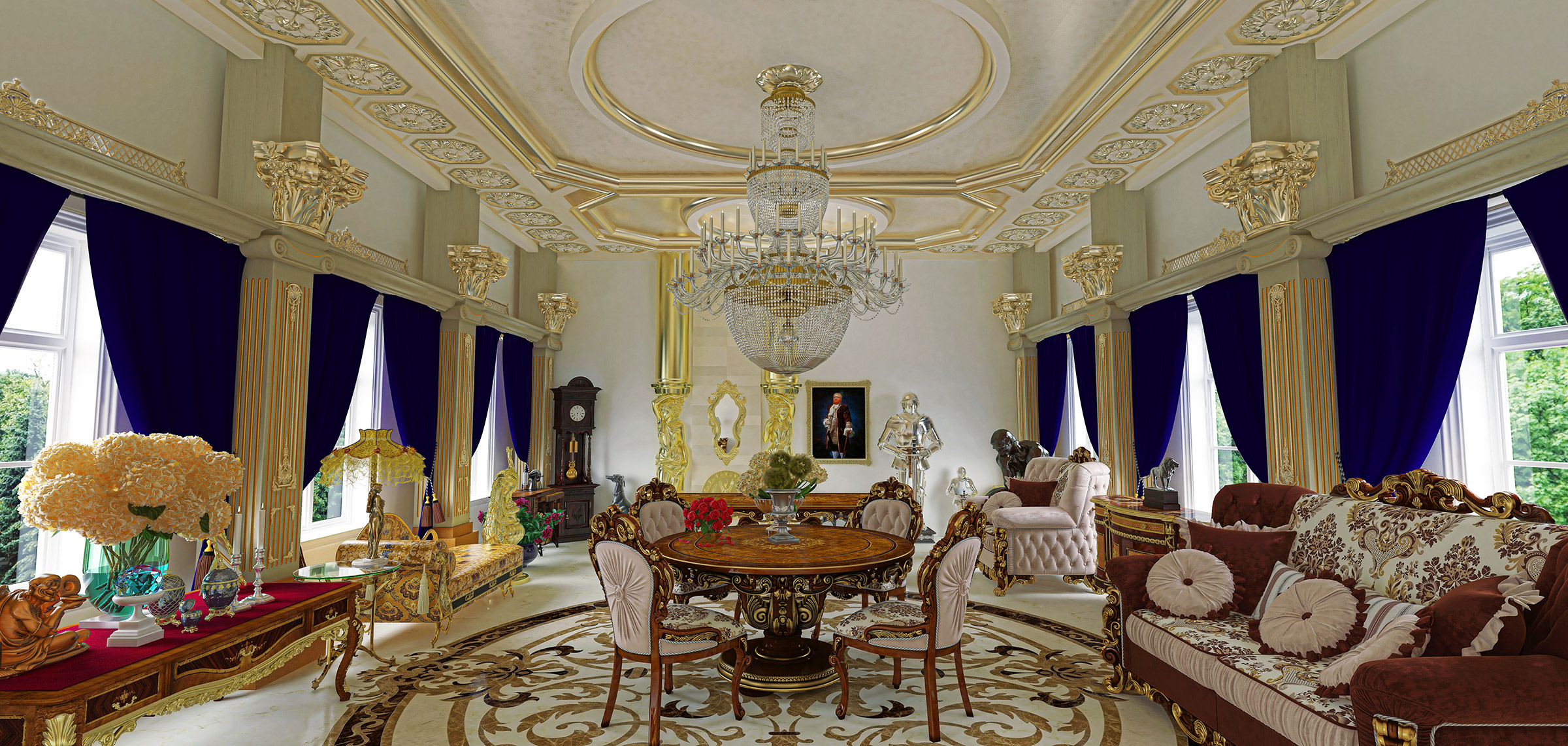
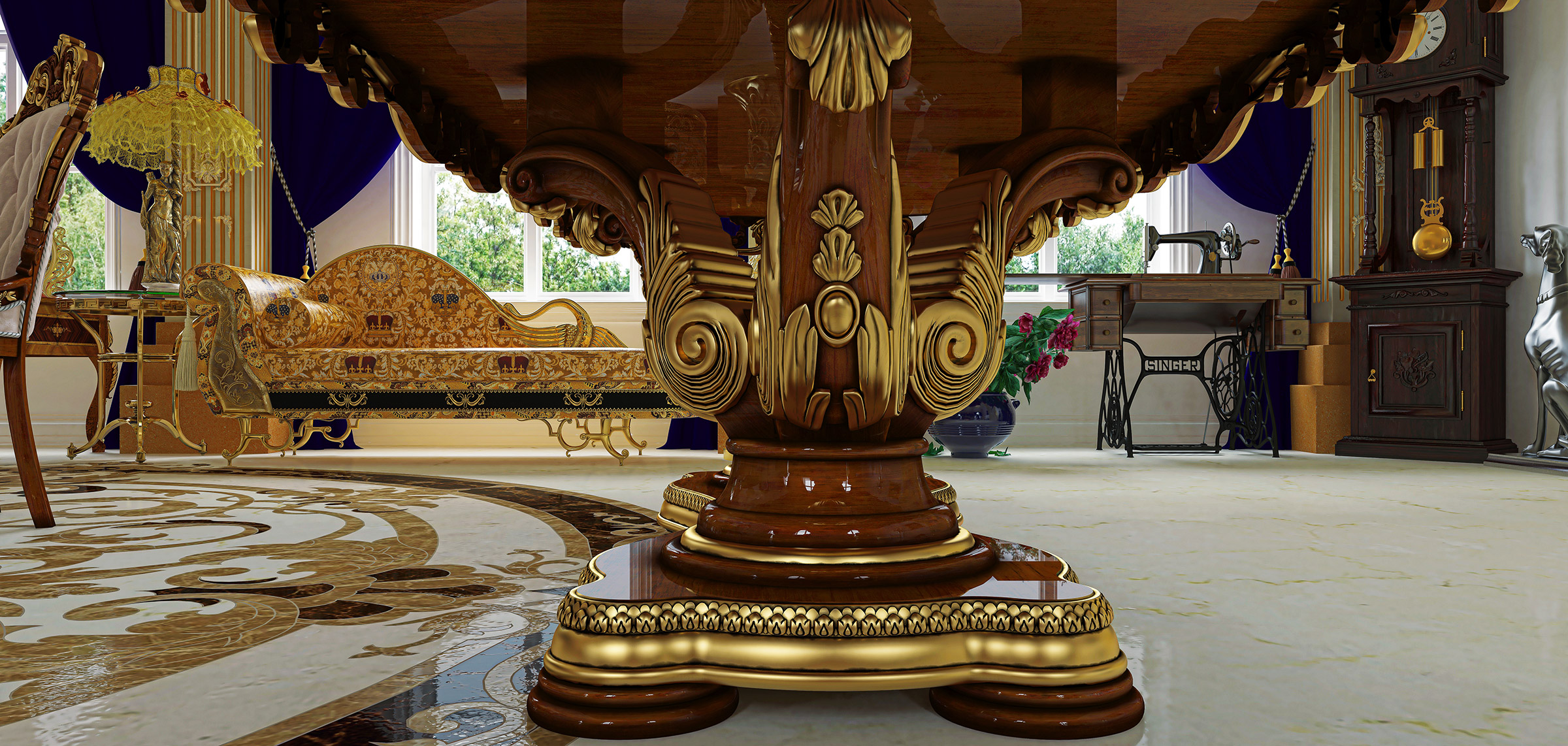
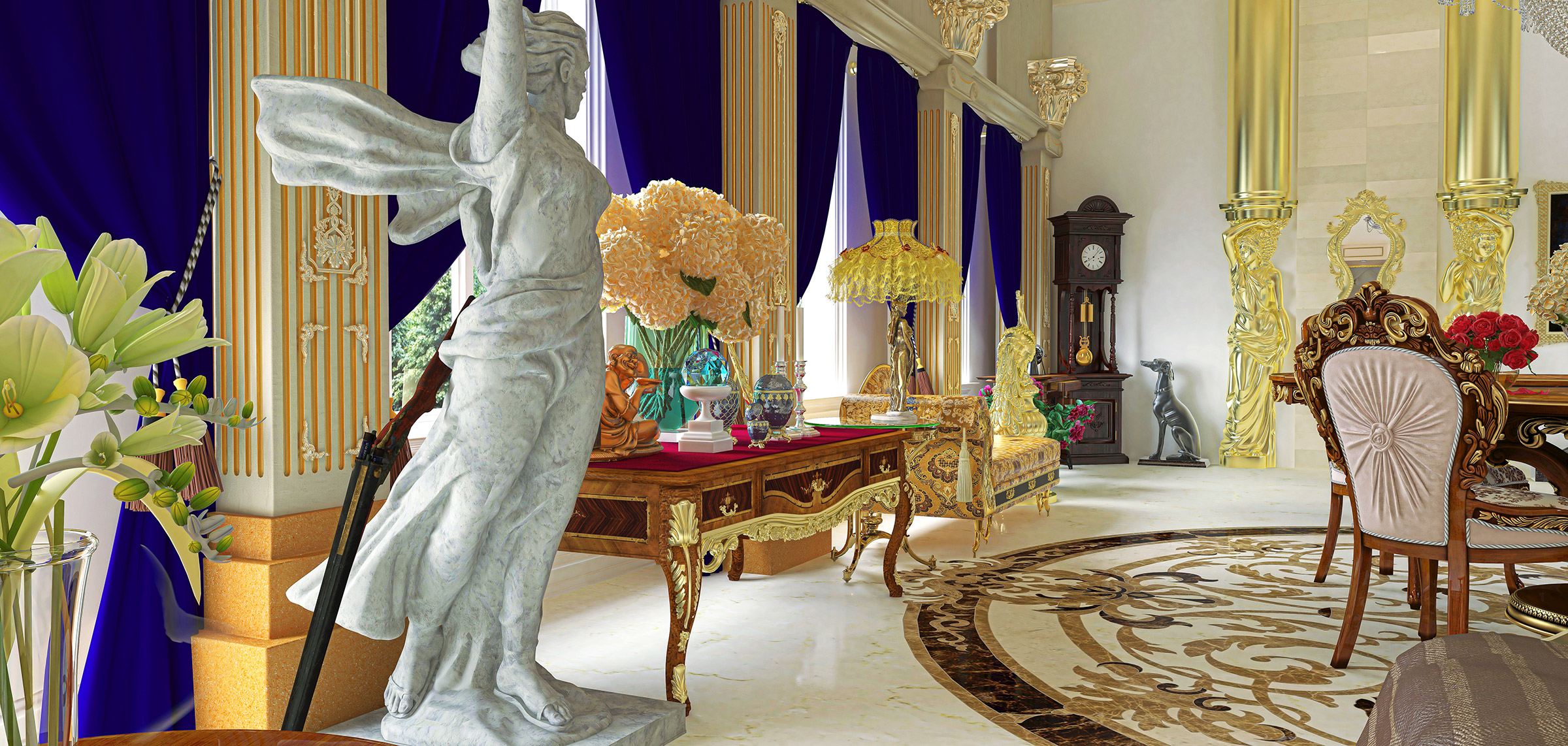
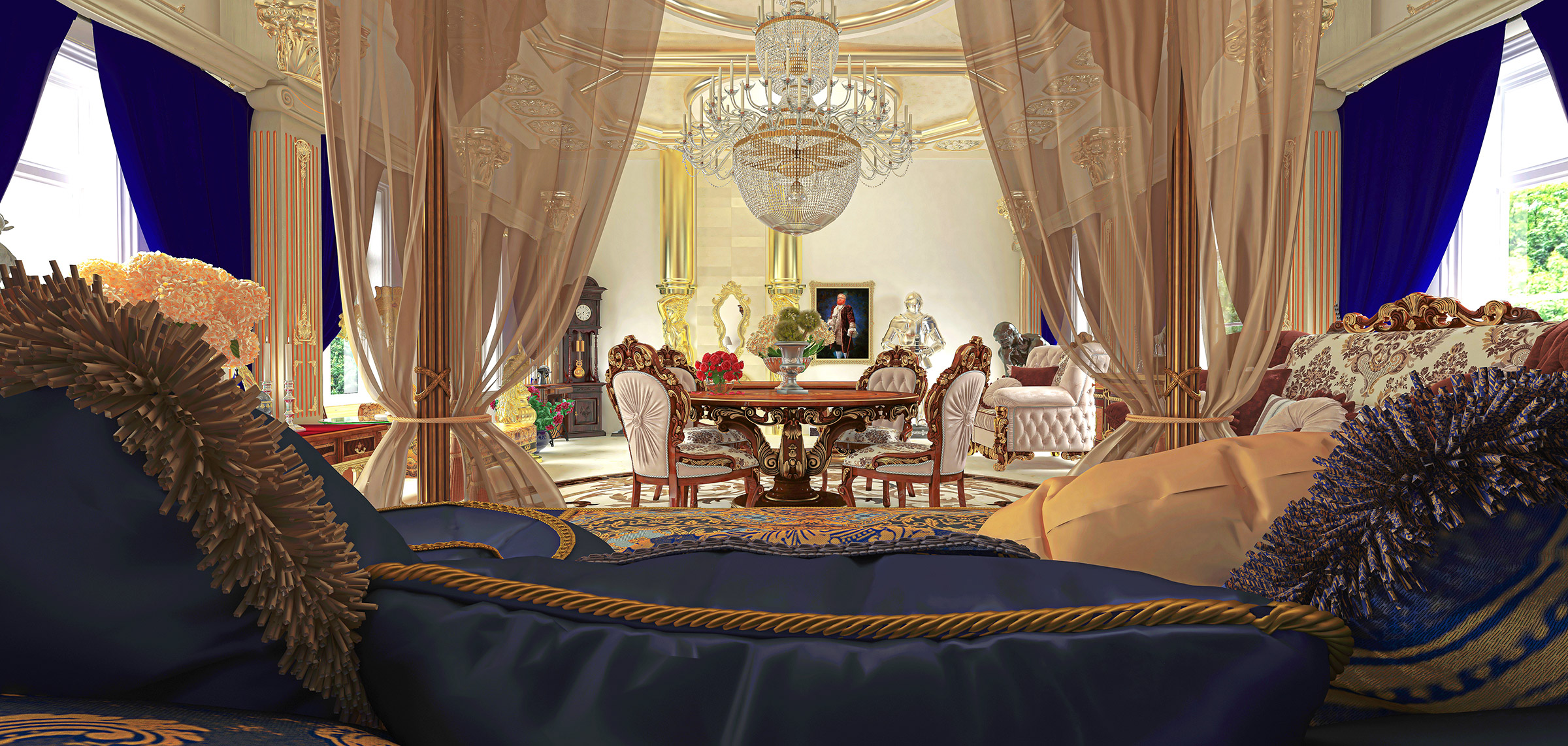
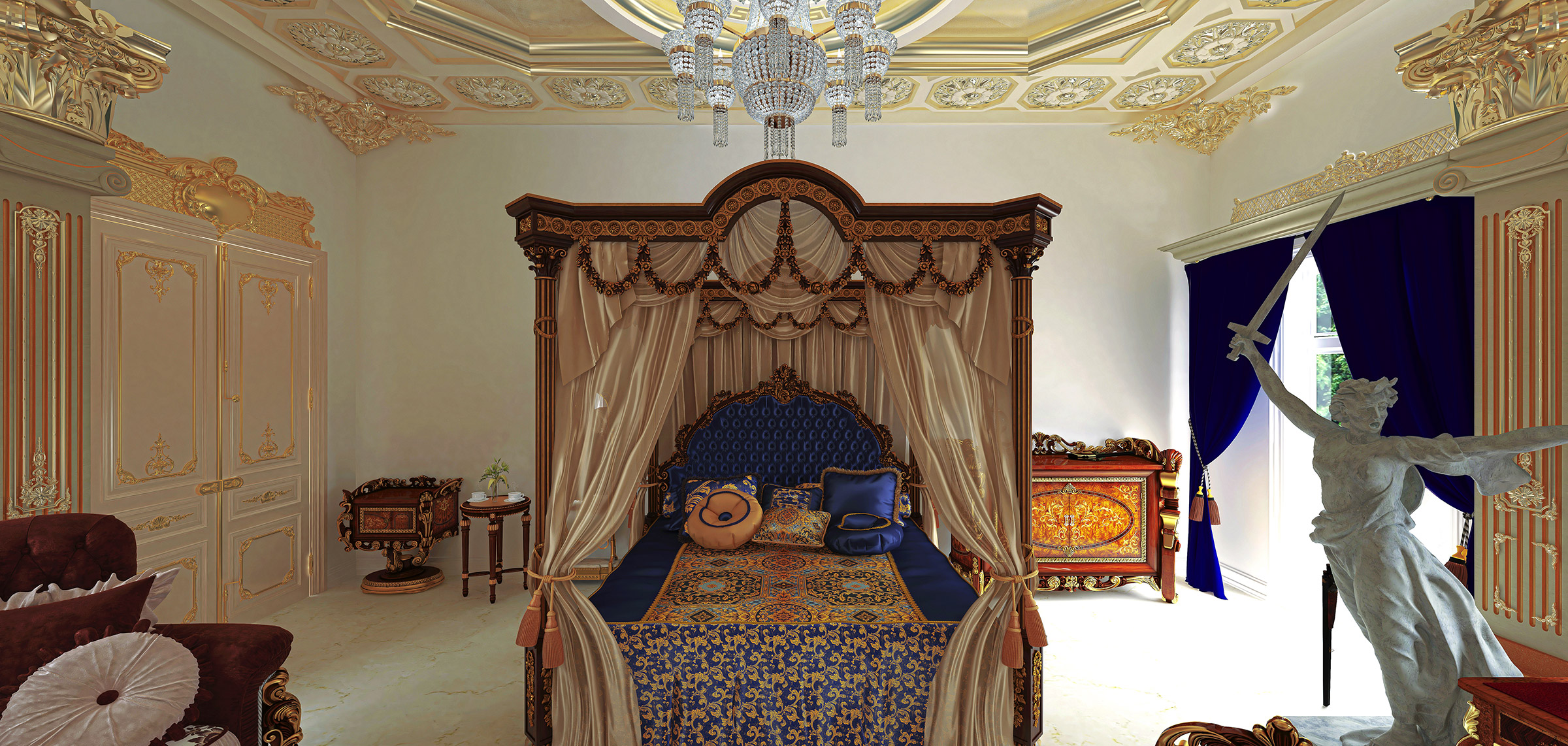
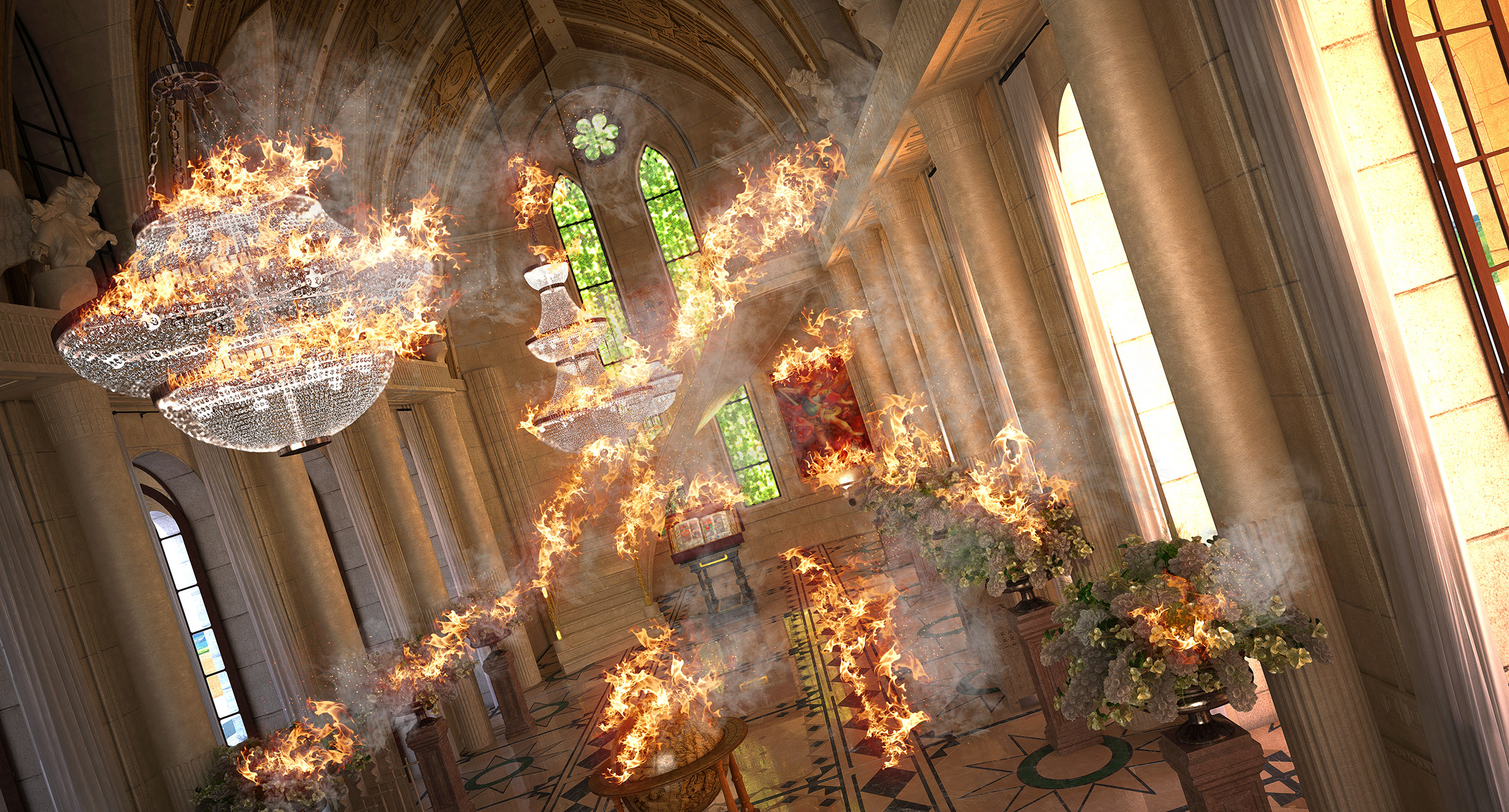
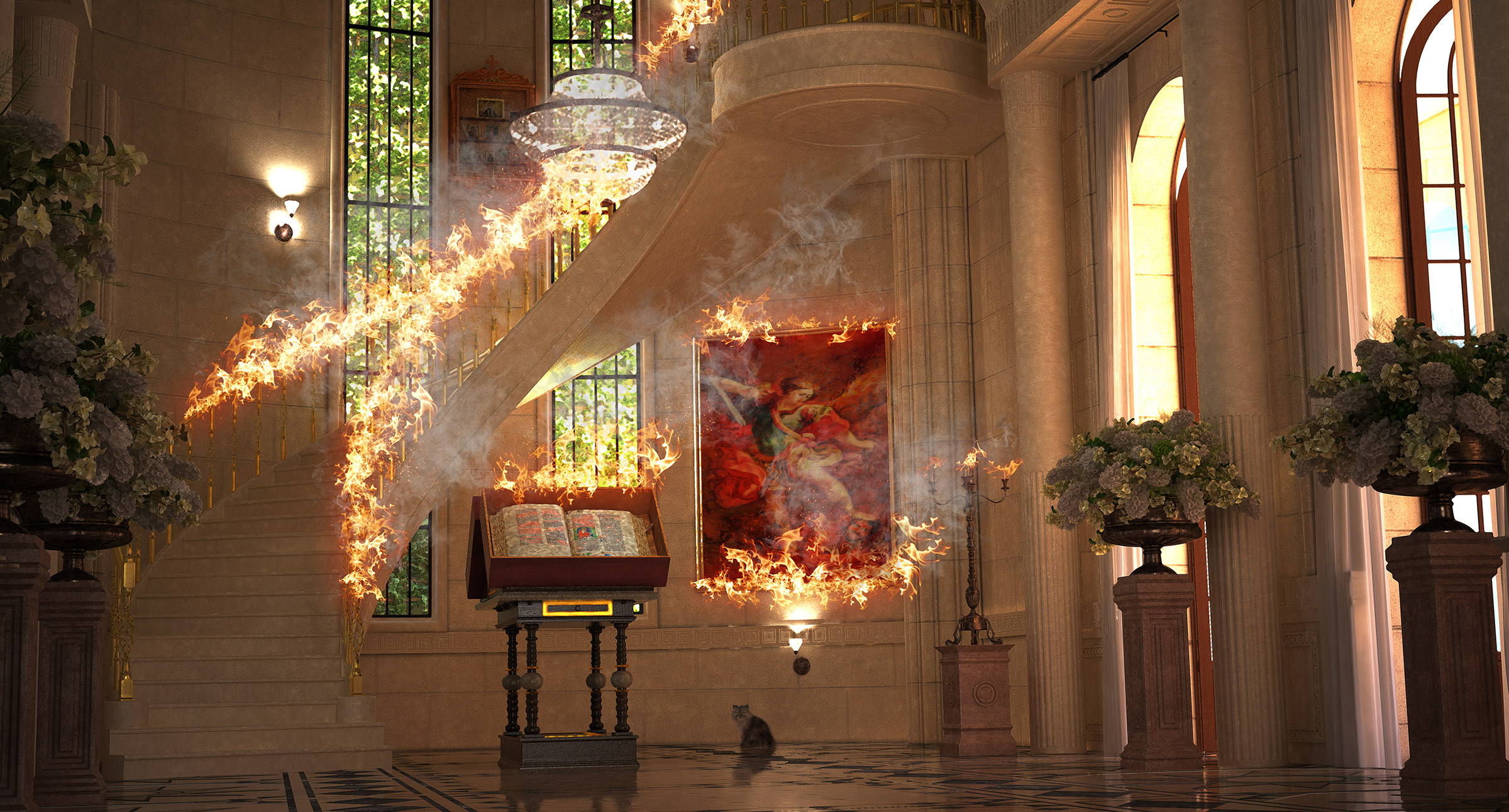
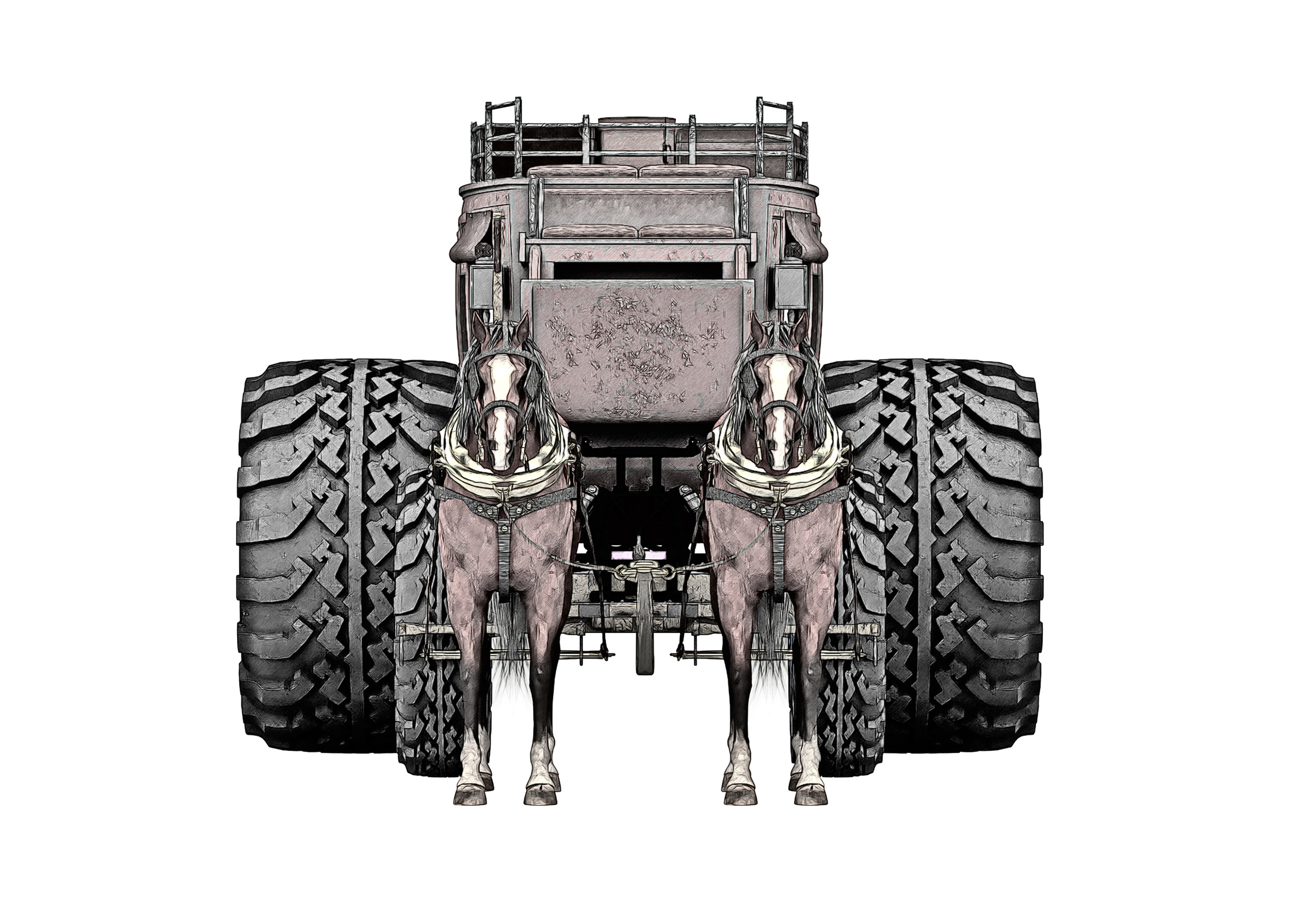
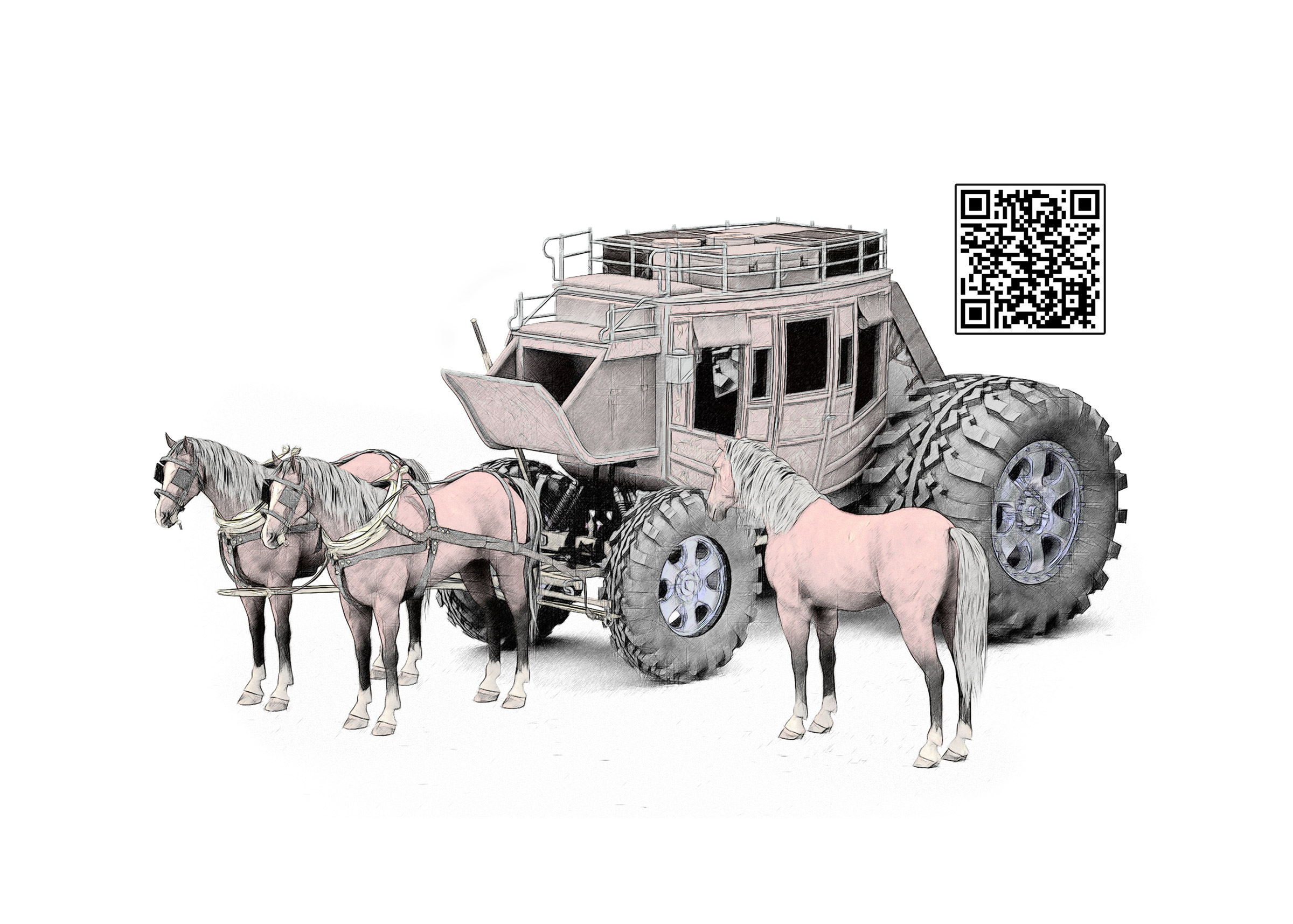
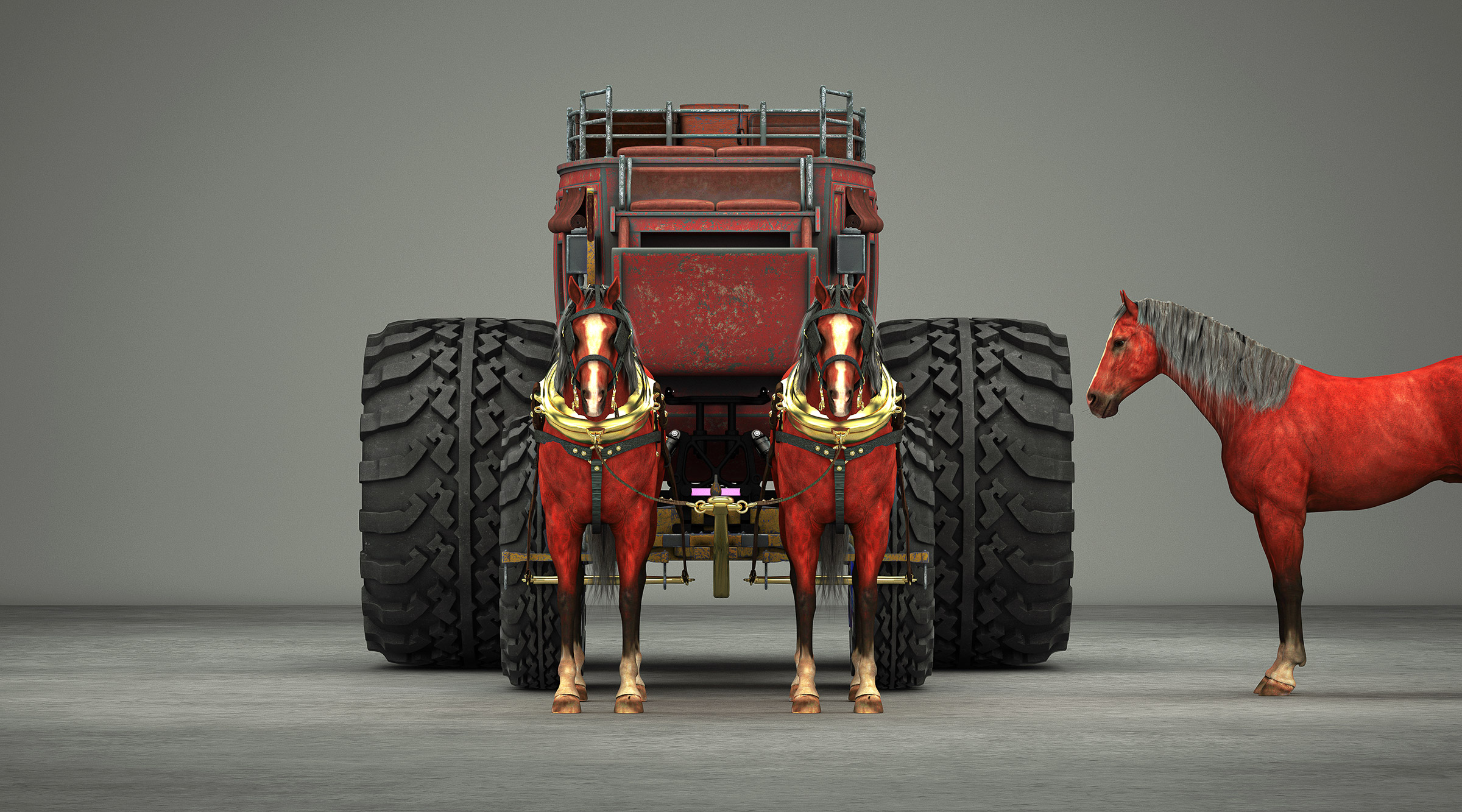
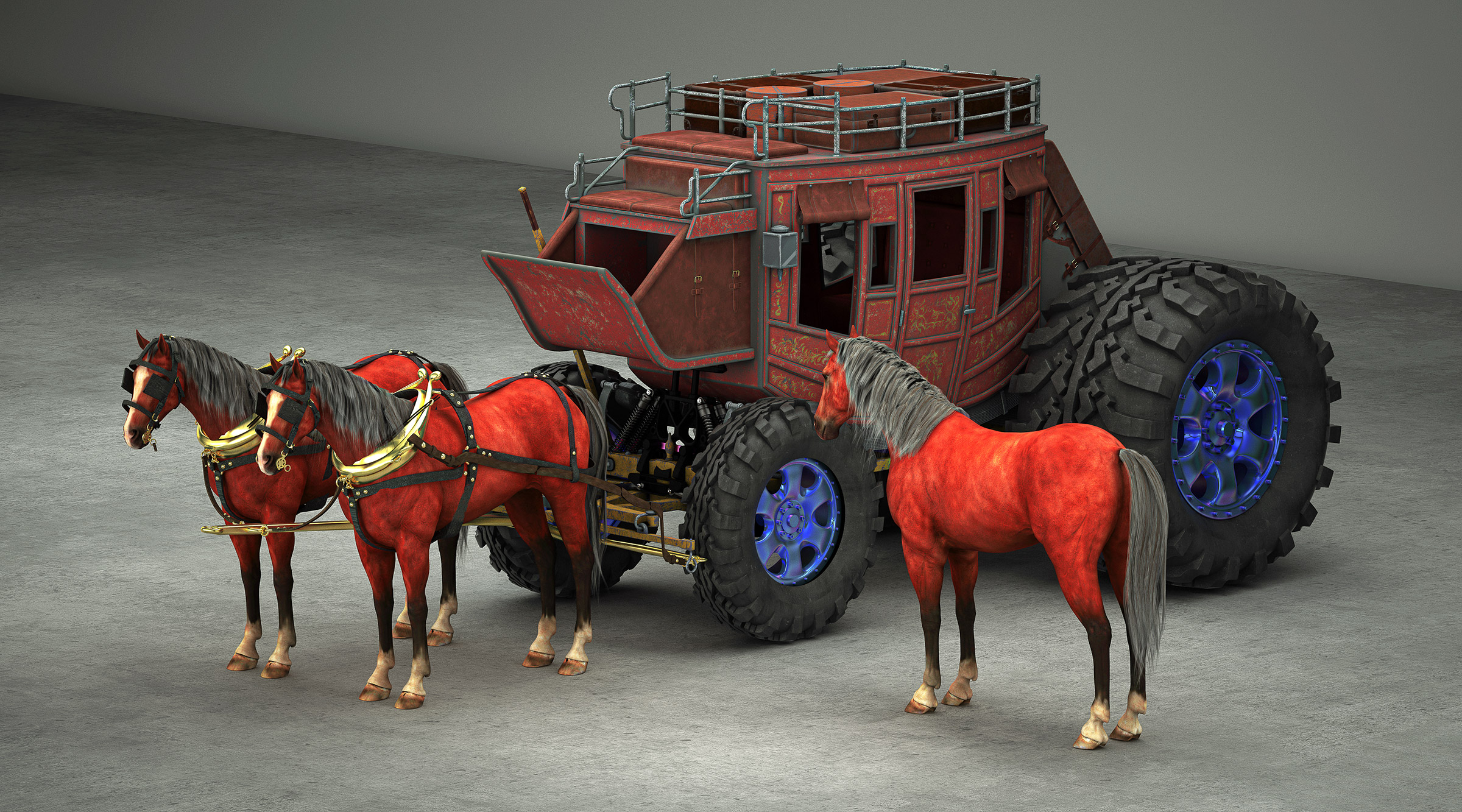
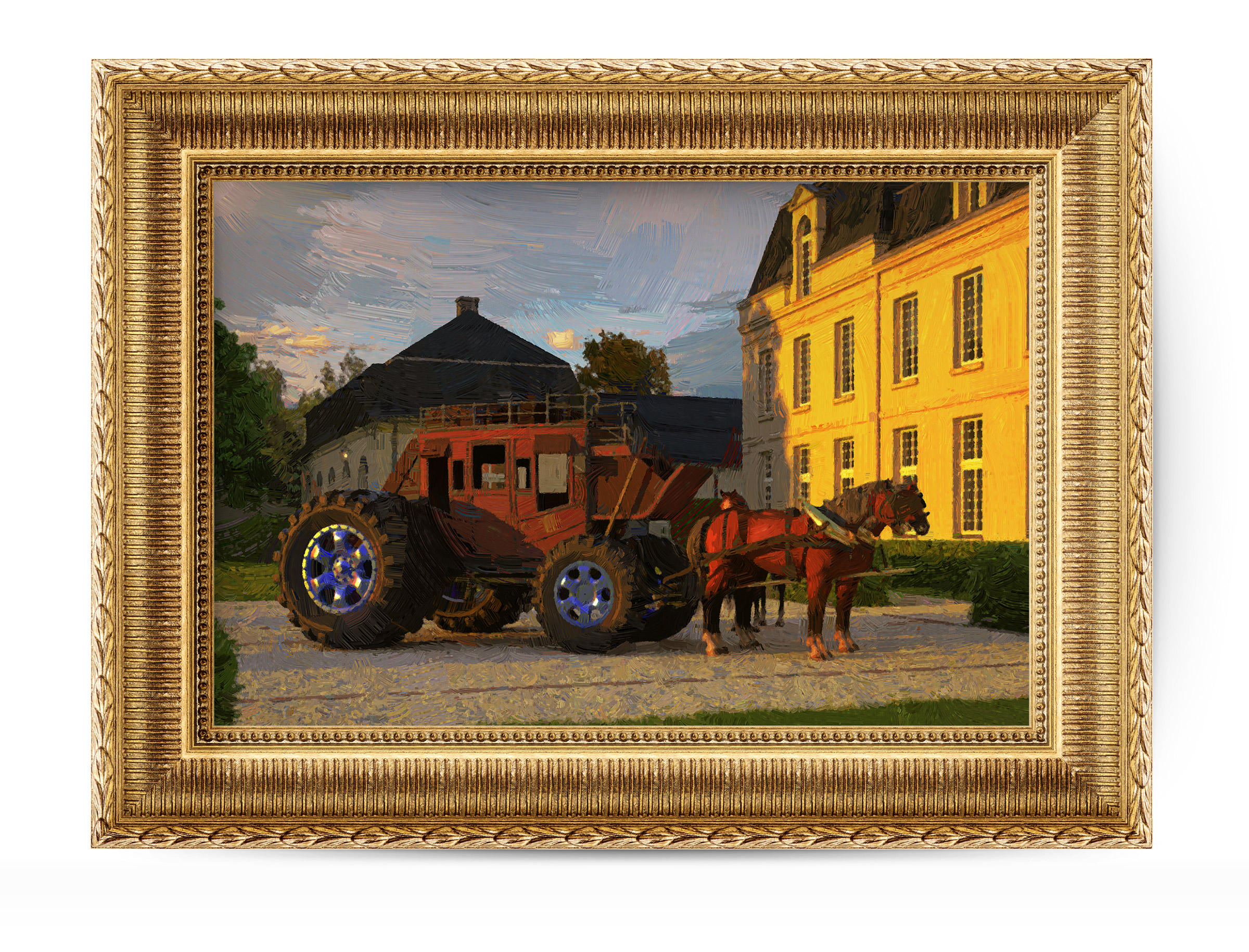
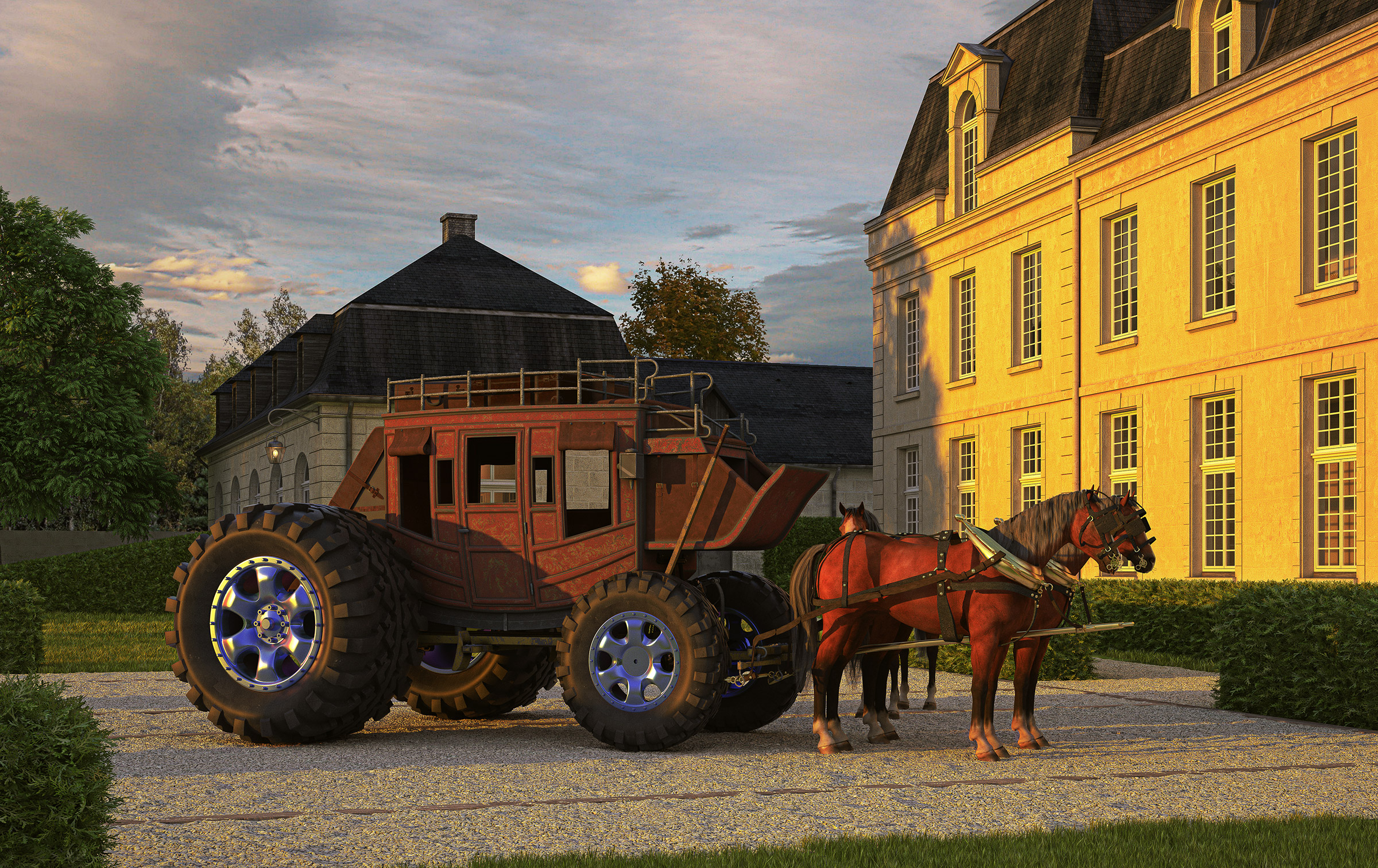
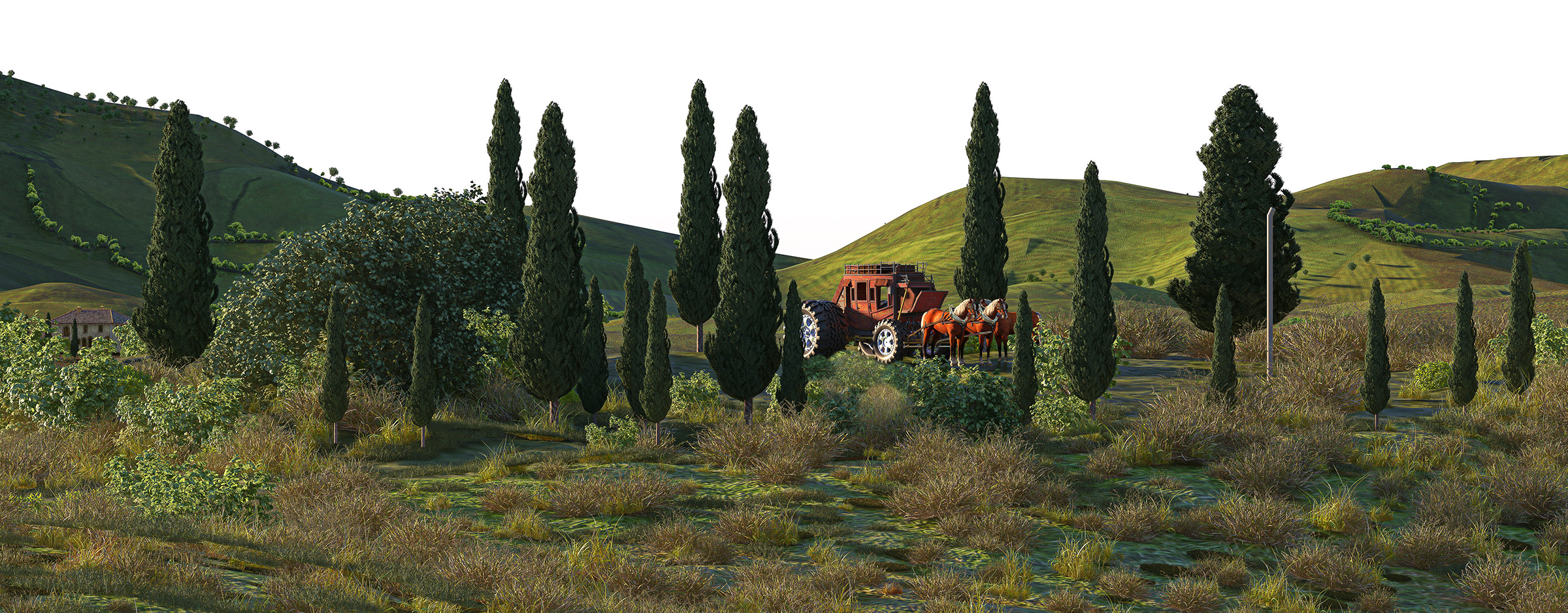
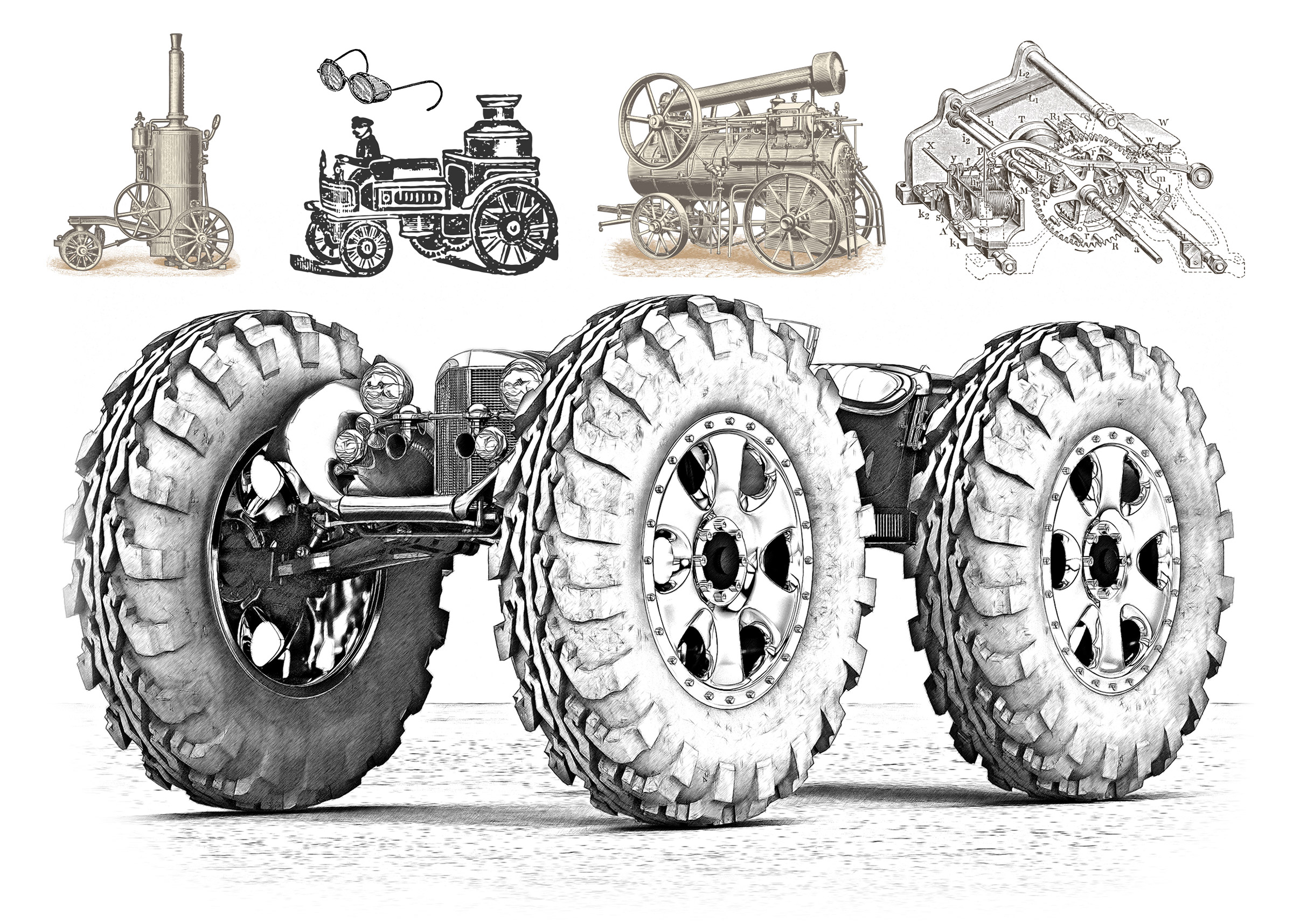
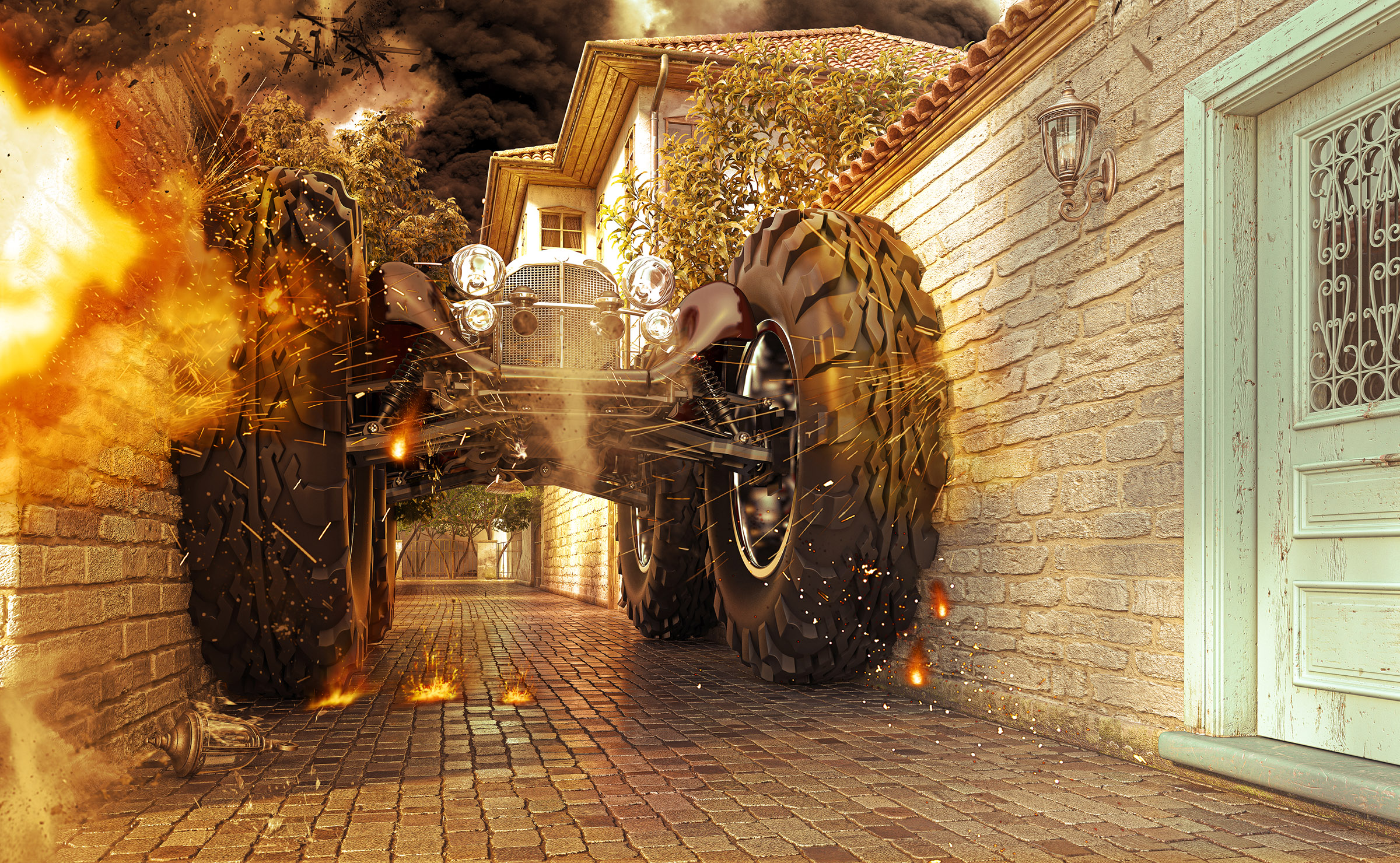
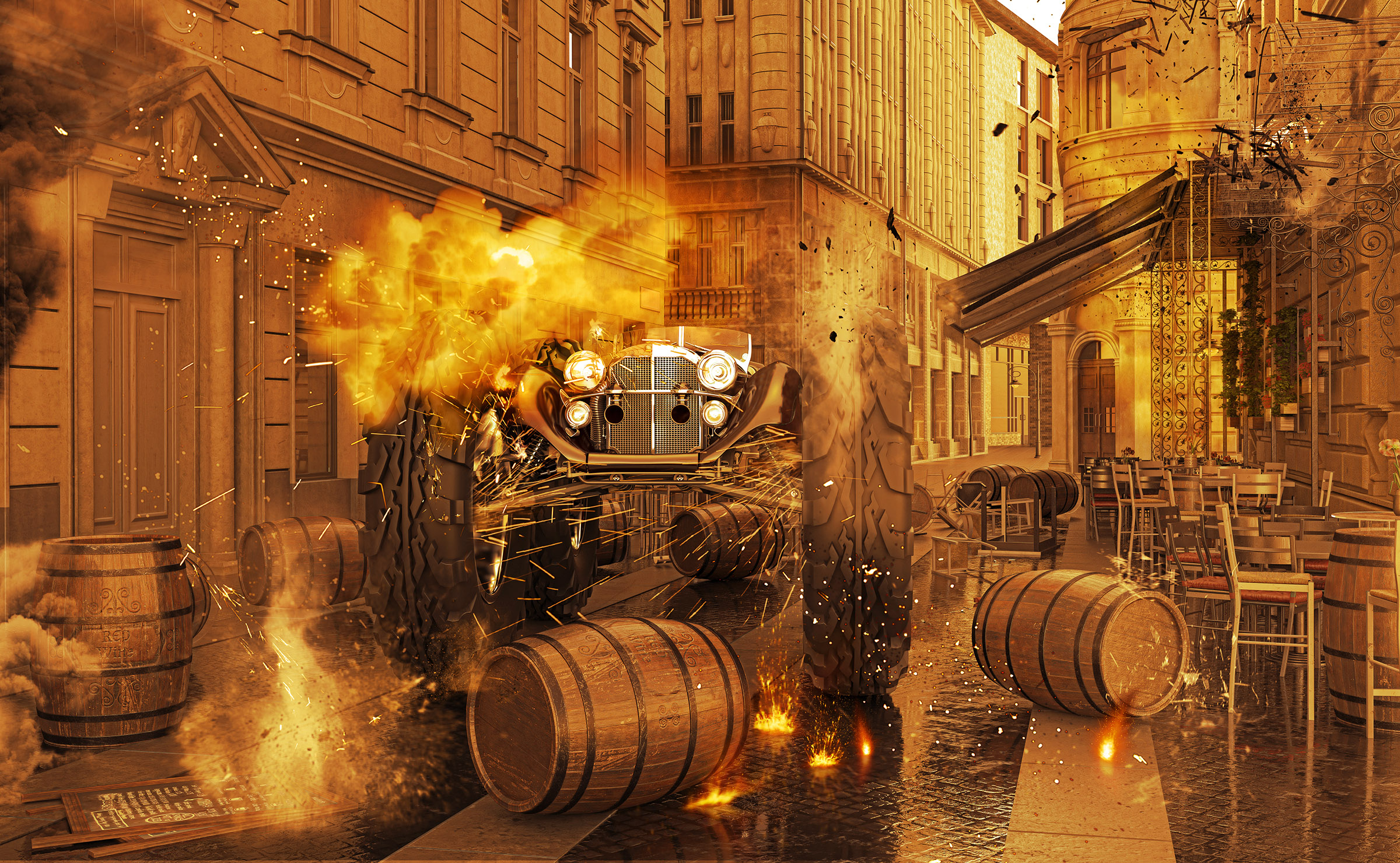
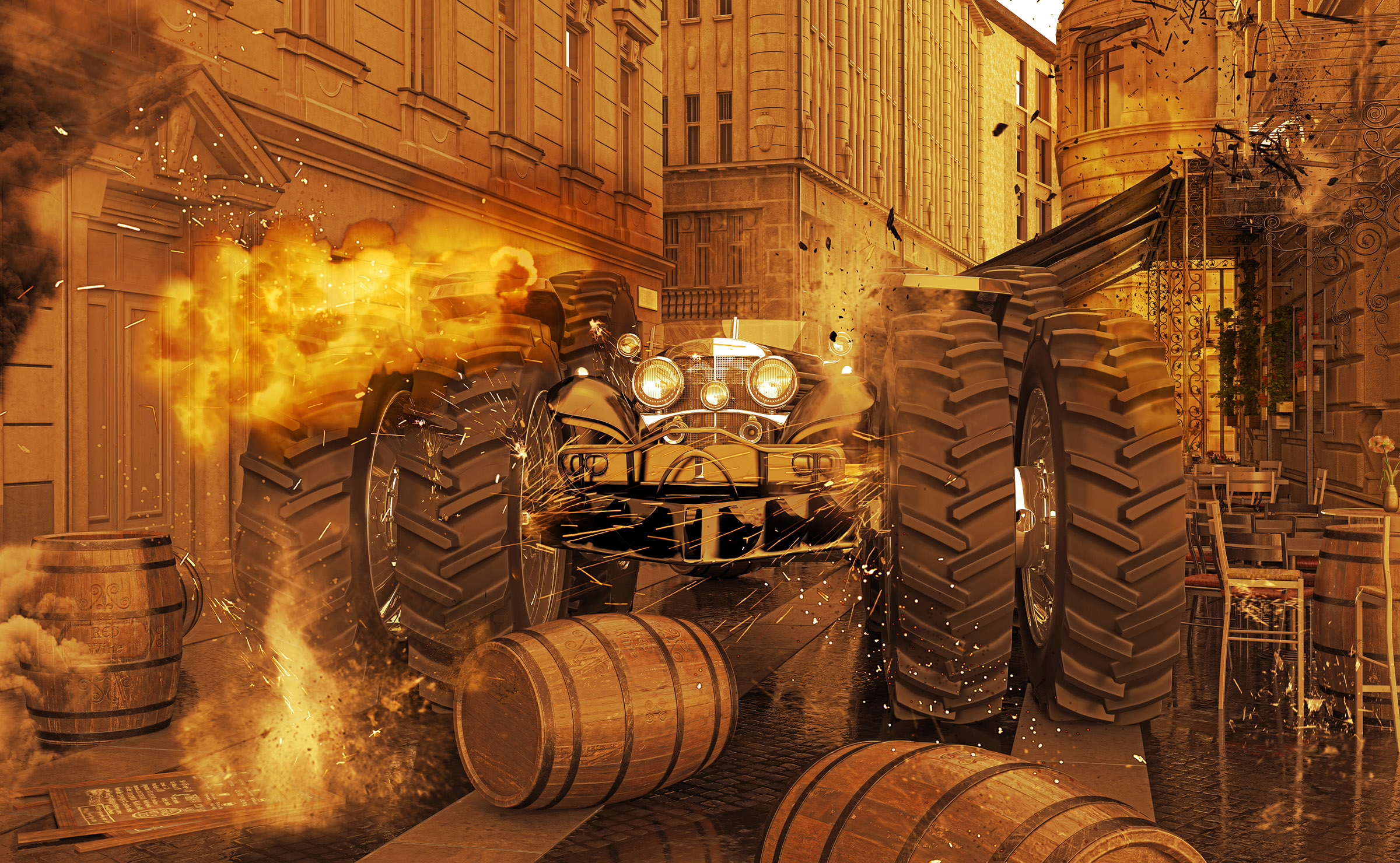
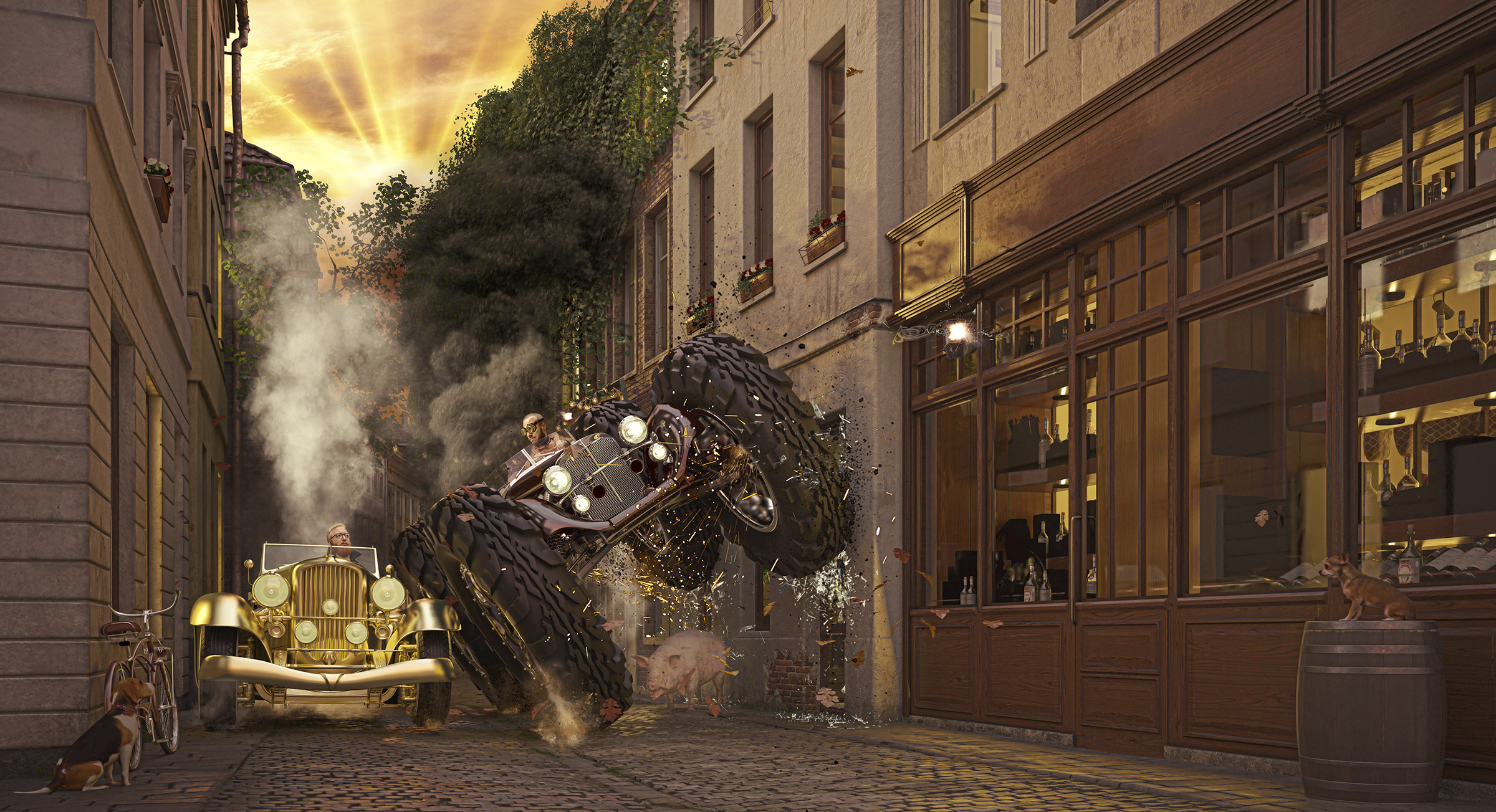
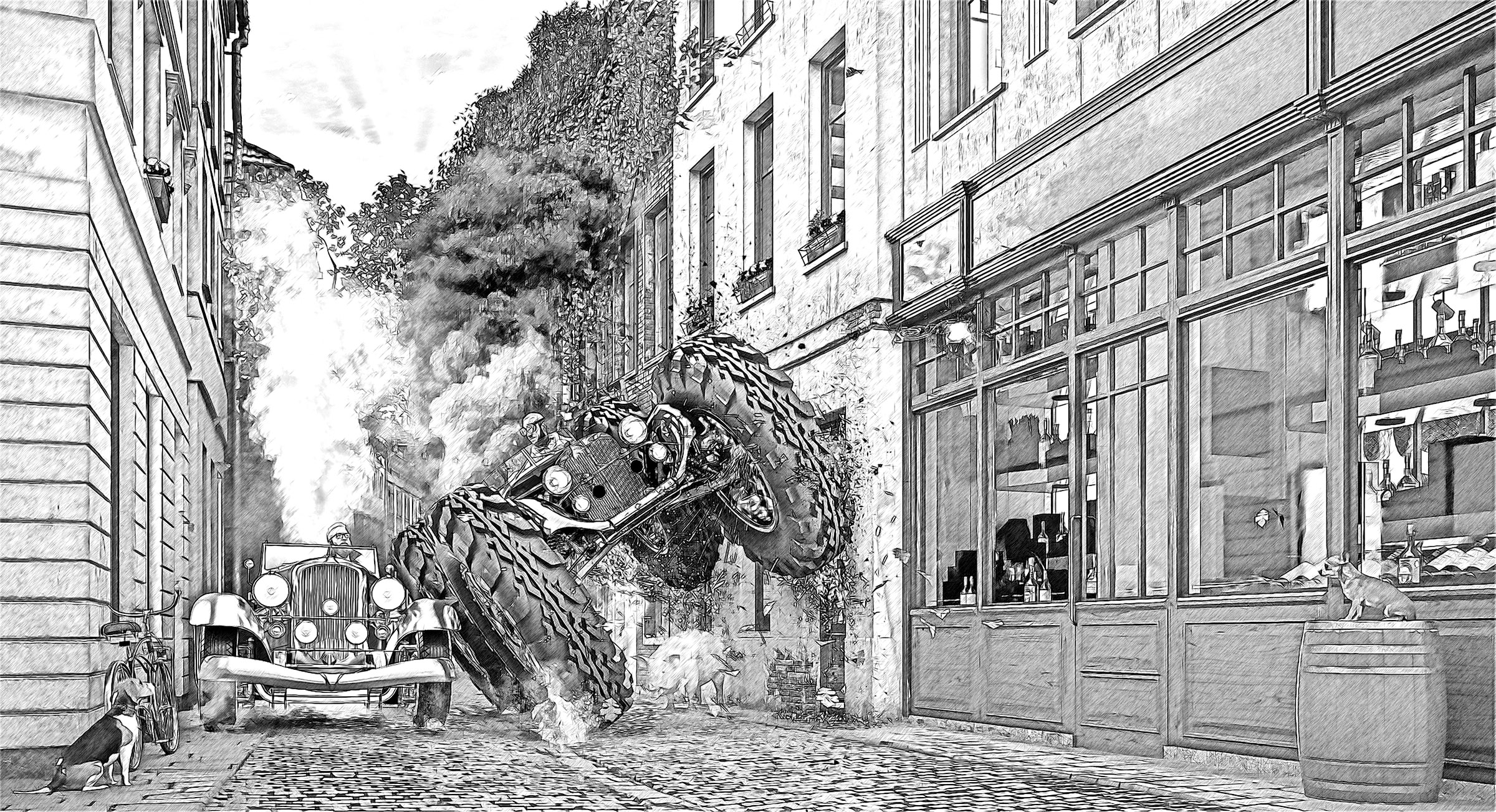
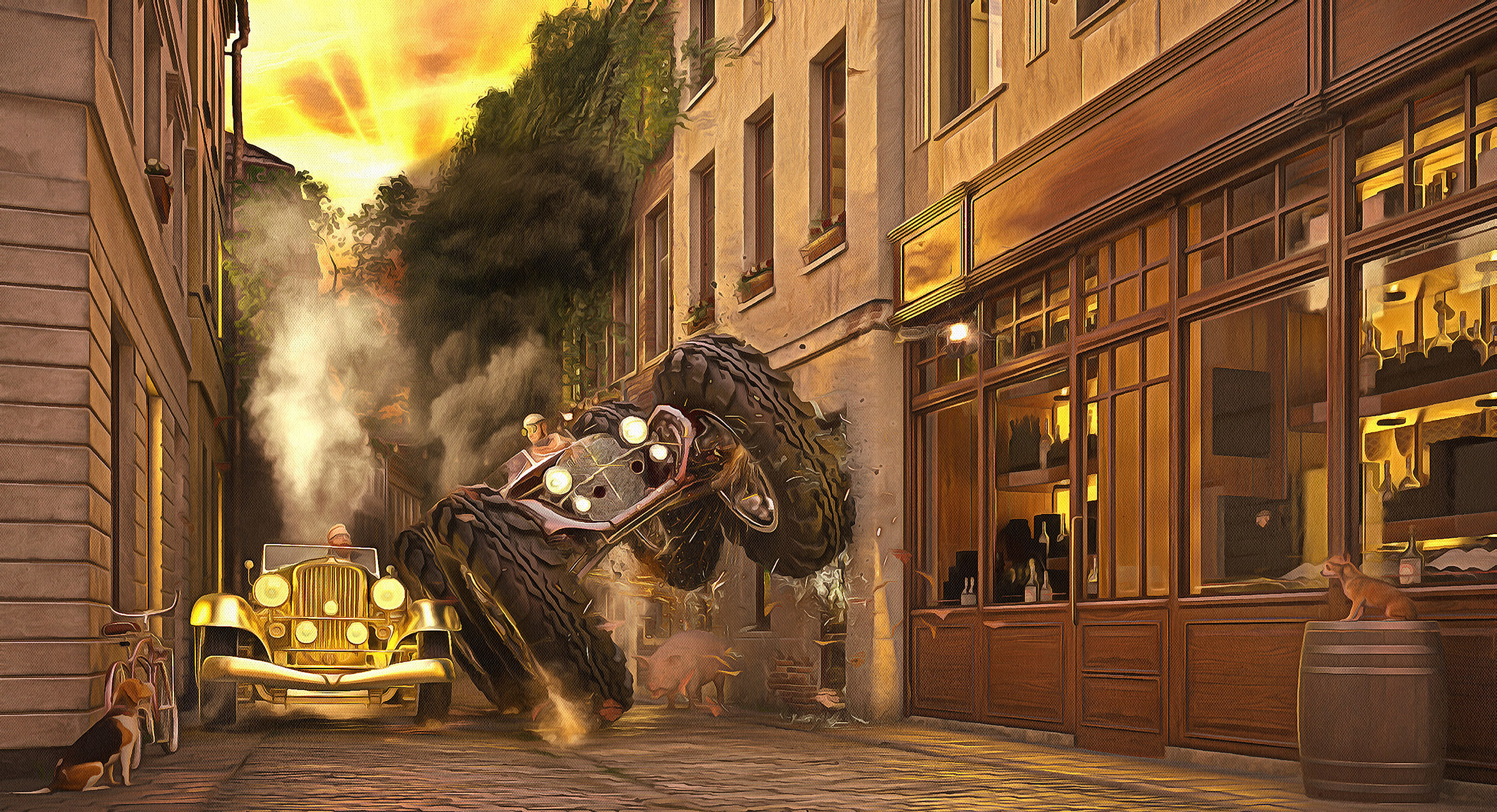
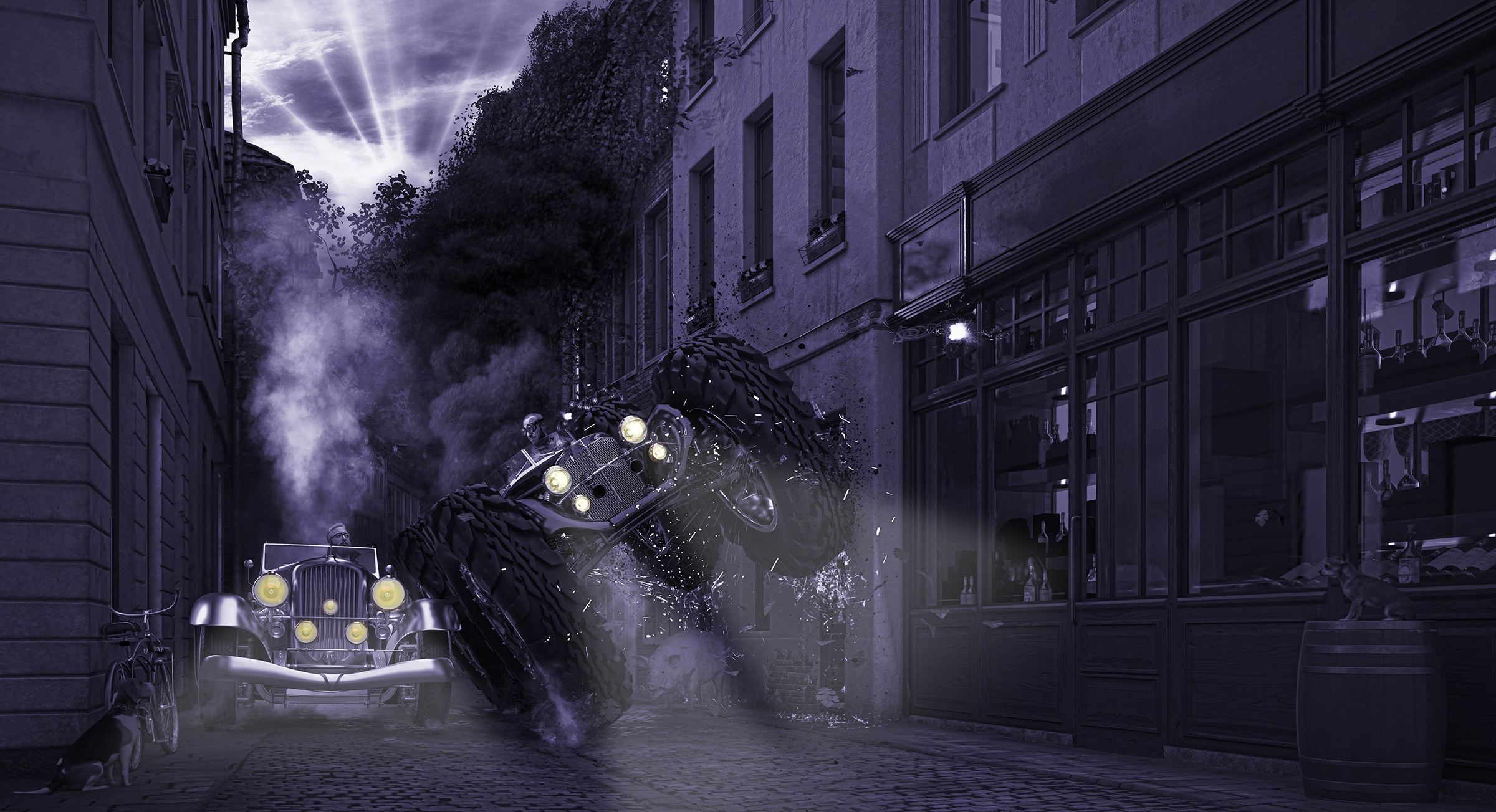
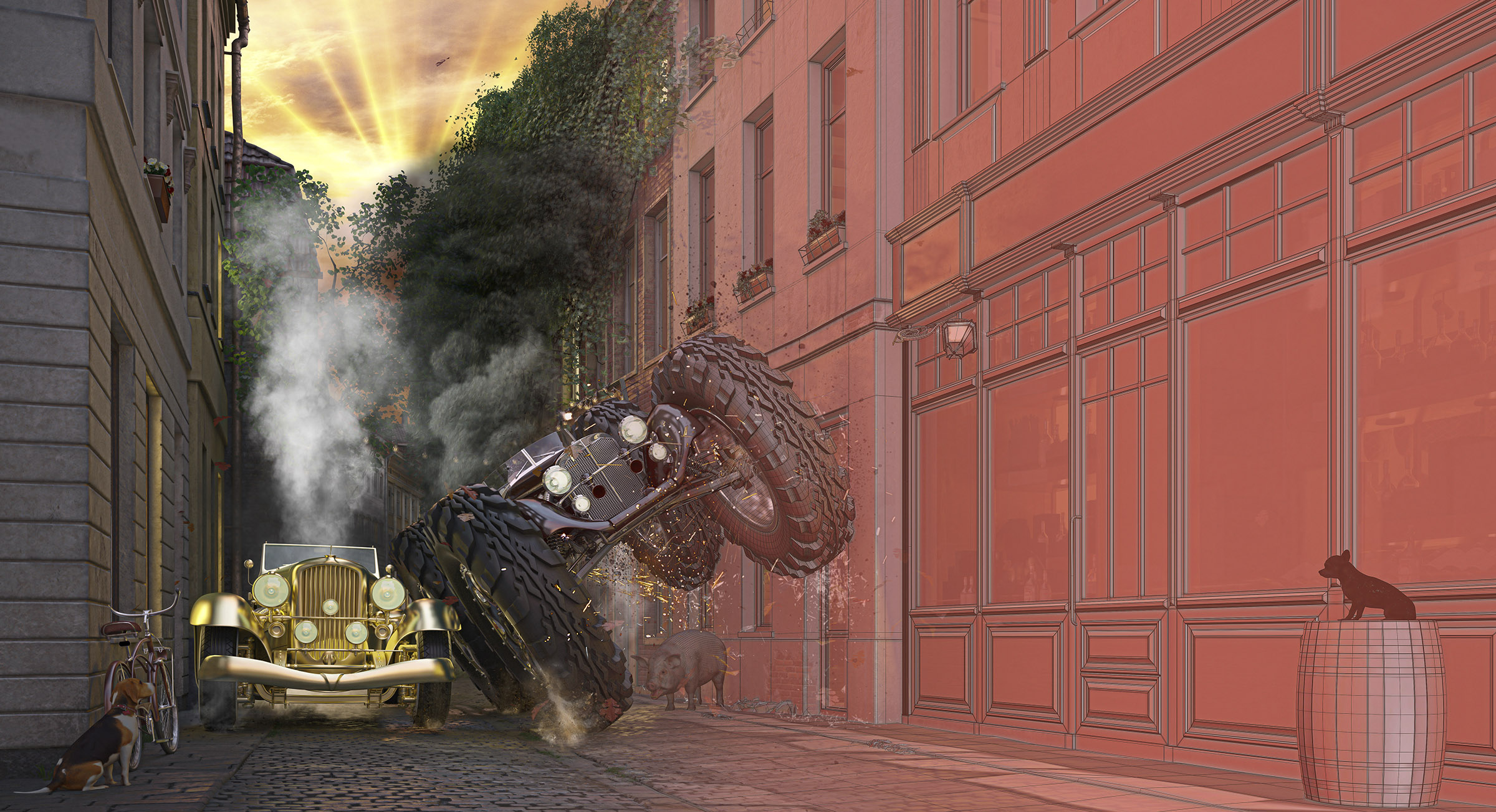
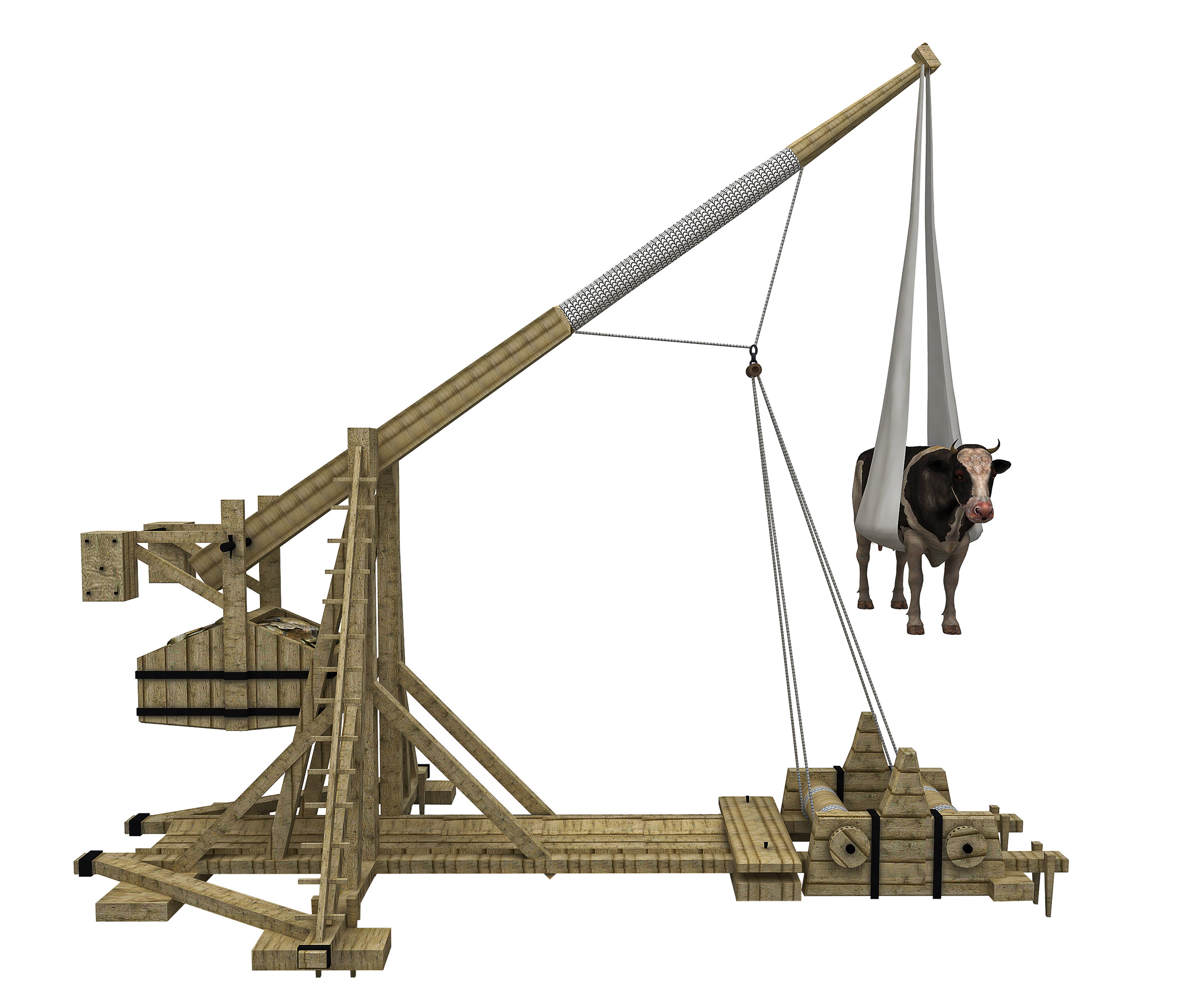
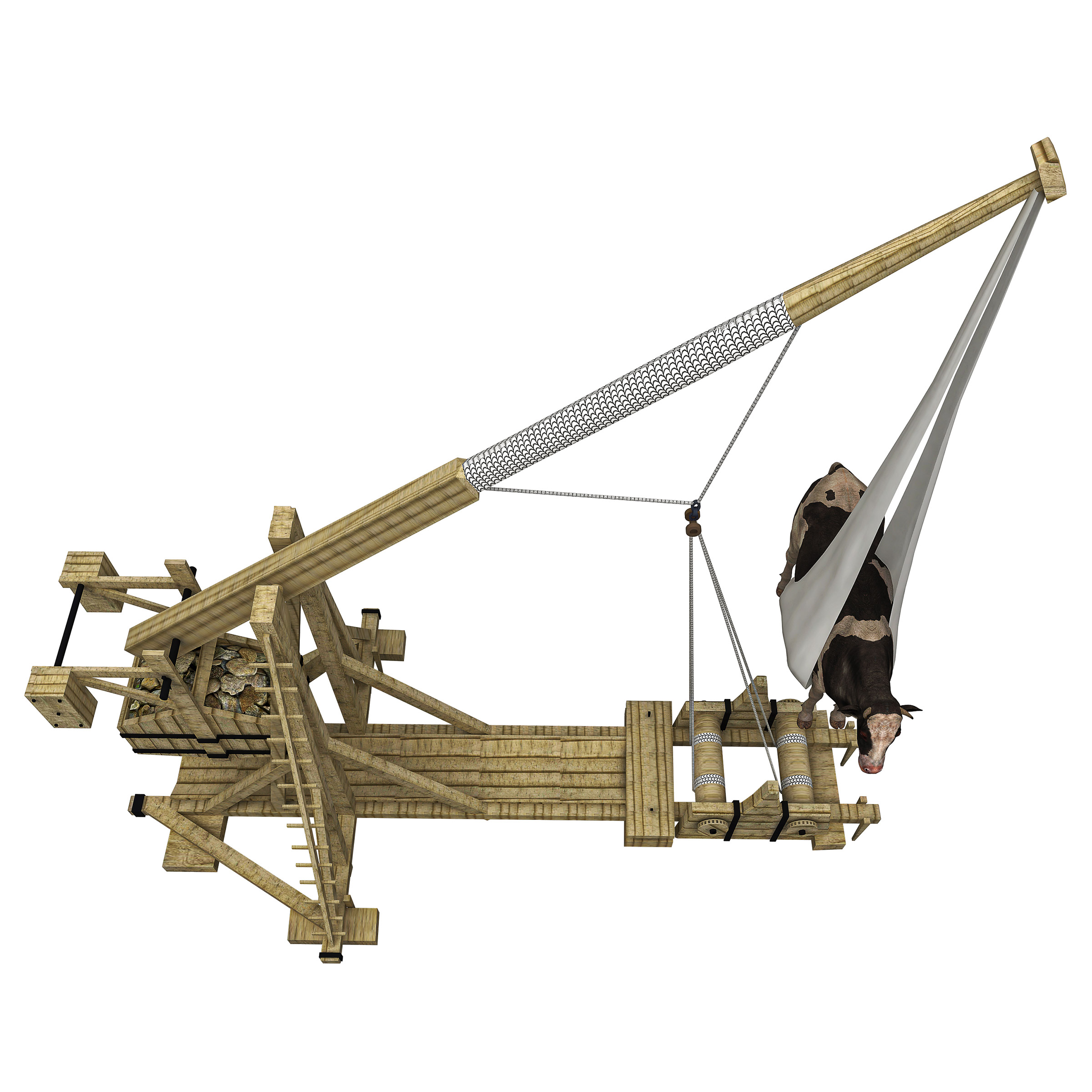
Through the three-dimensional reconstruction of architectural settings or mechanical models, the story extends beyond the page, giving shape to navigable virtual environments, conceived as places of storytelling.
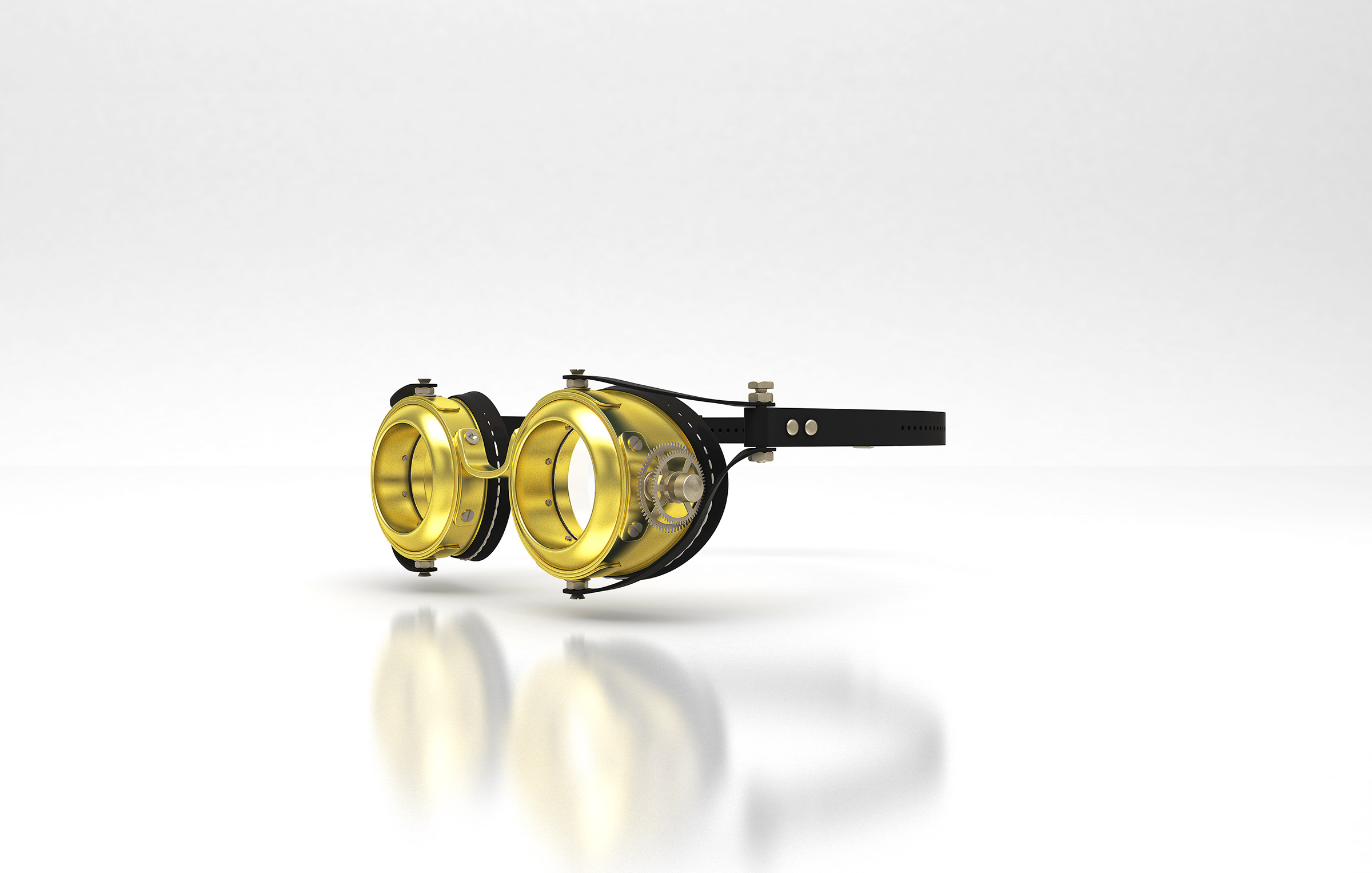
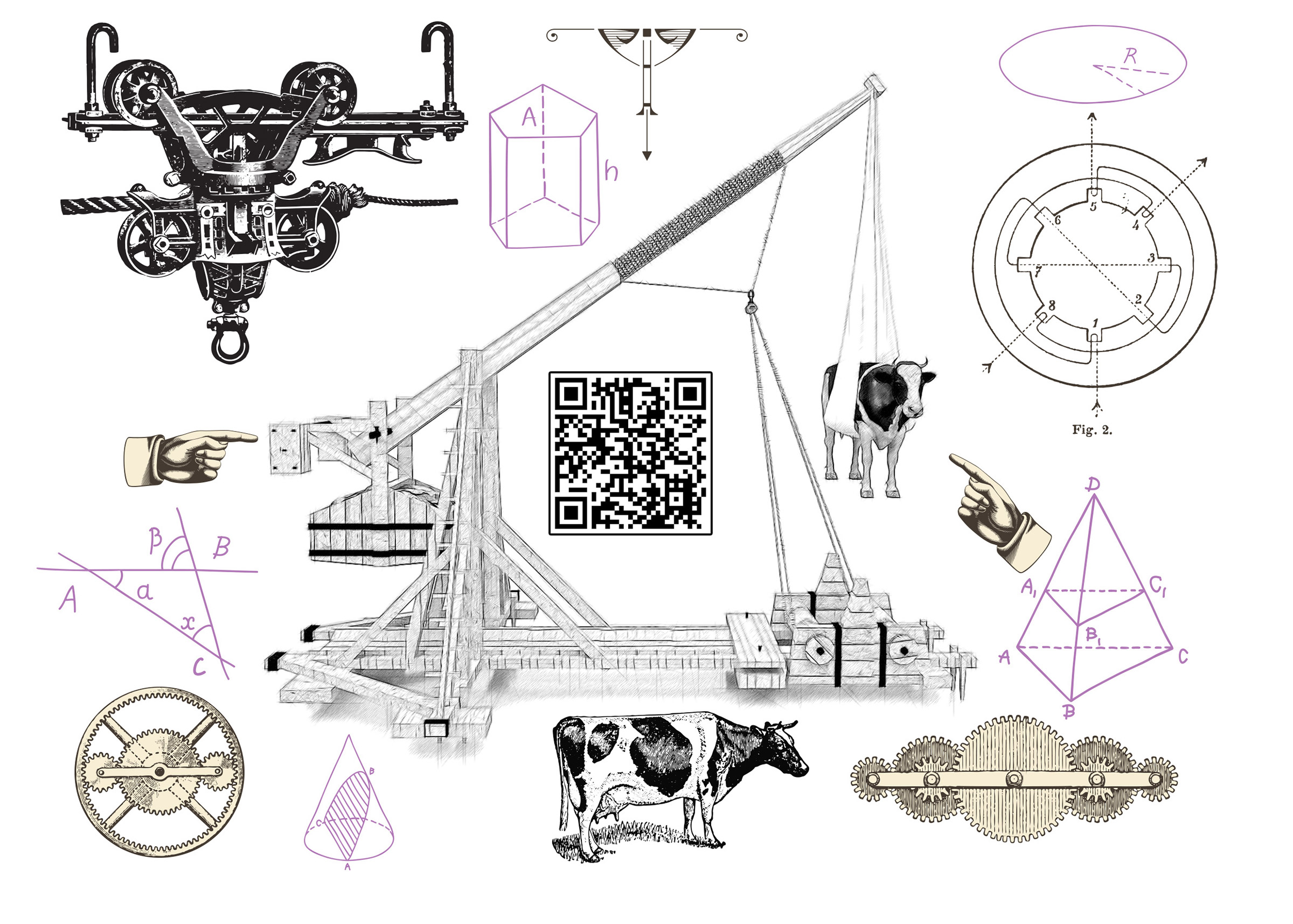
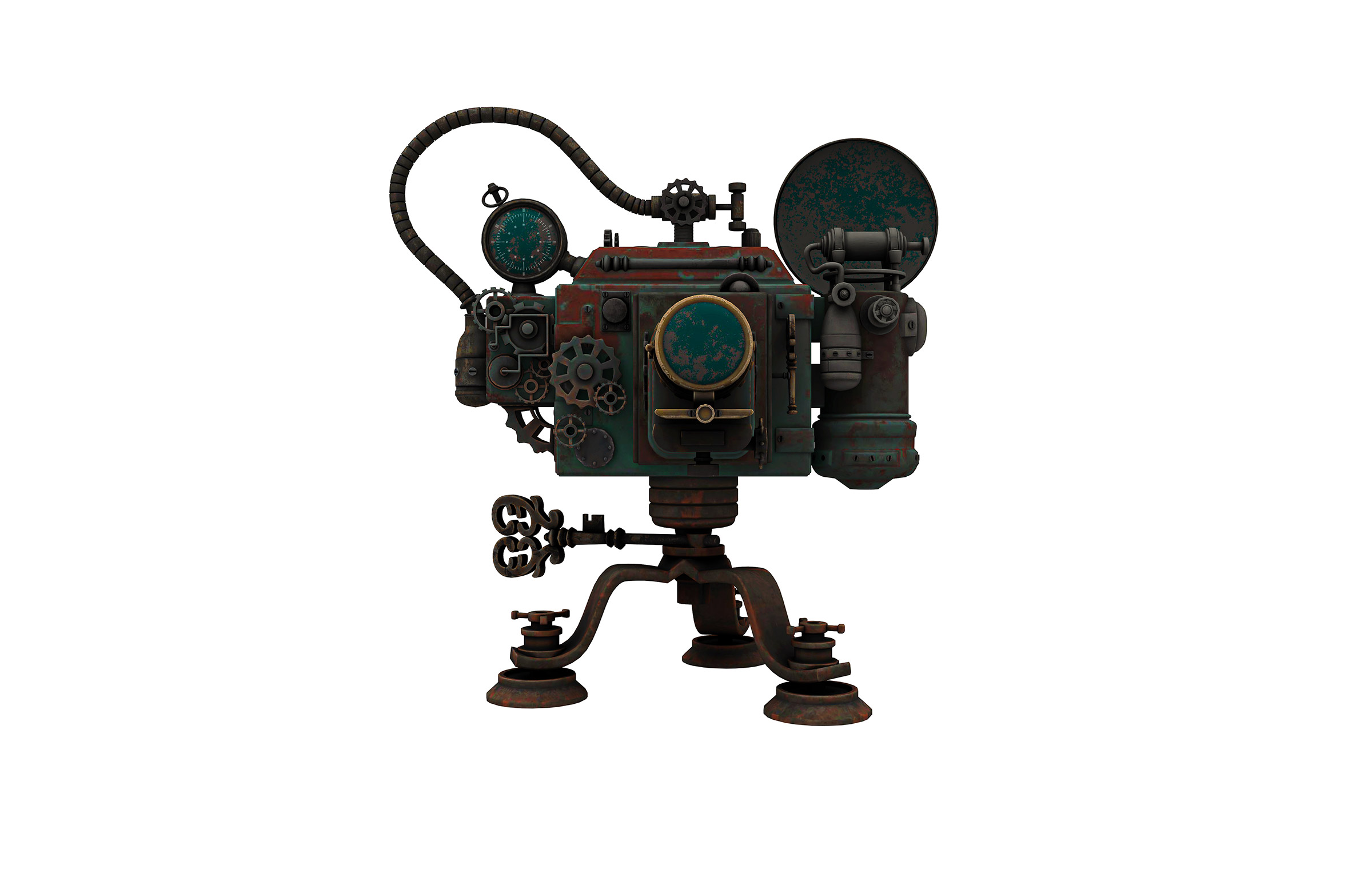
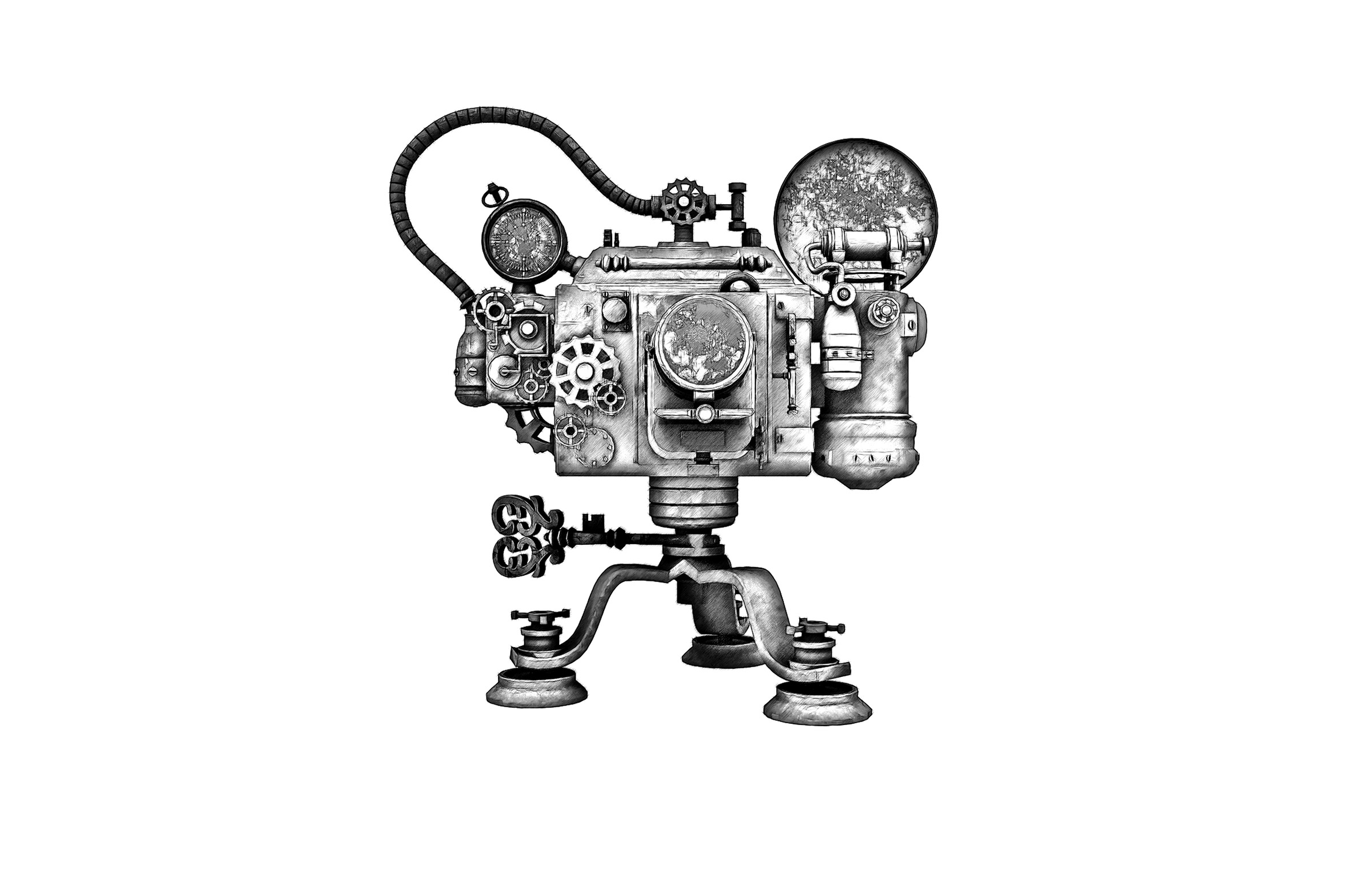
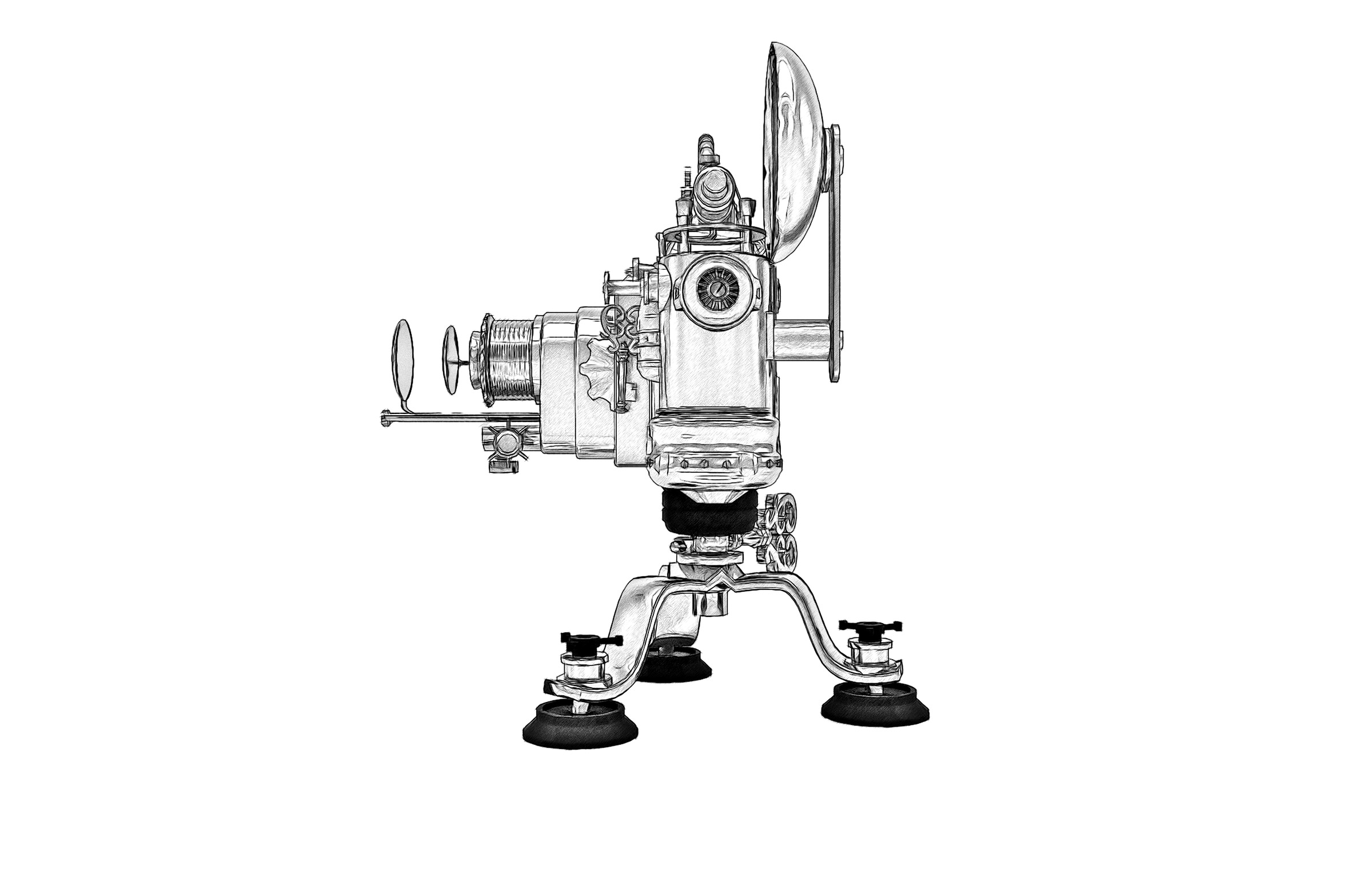
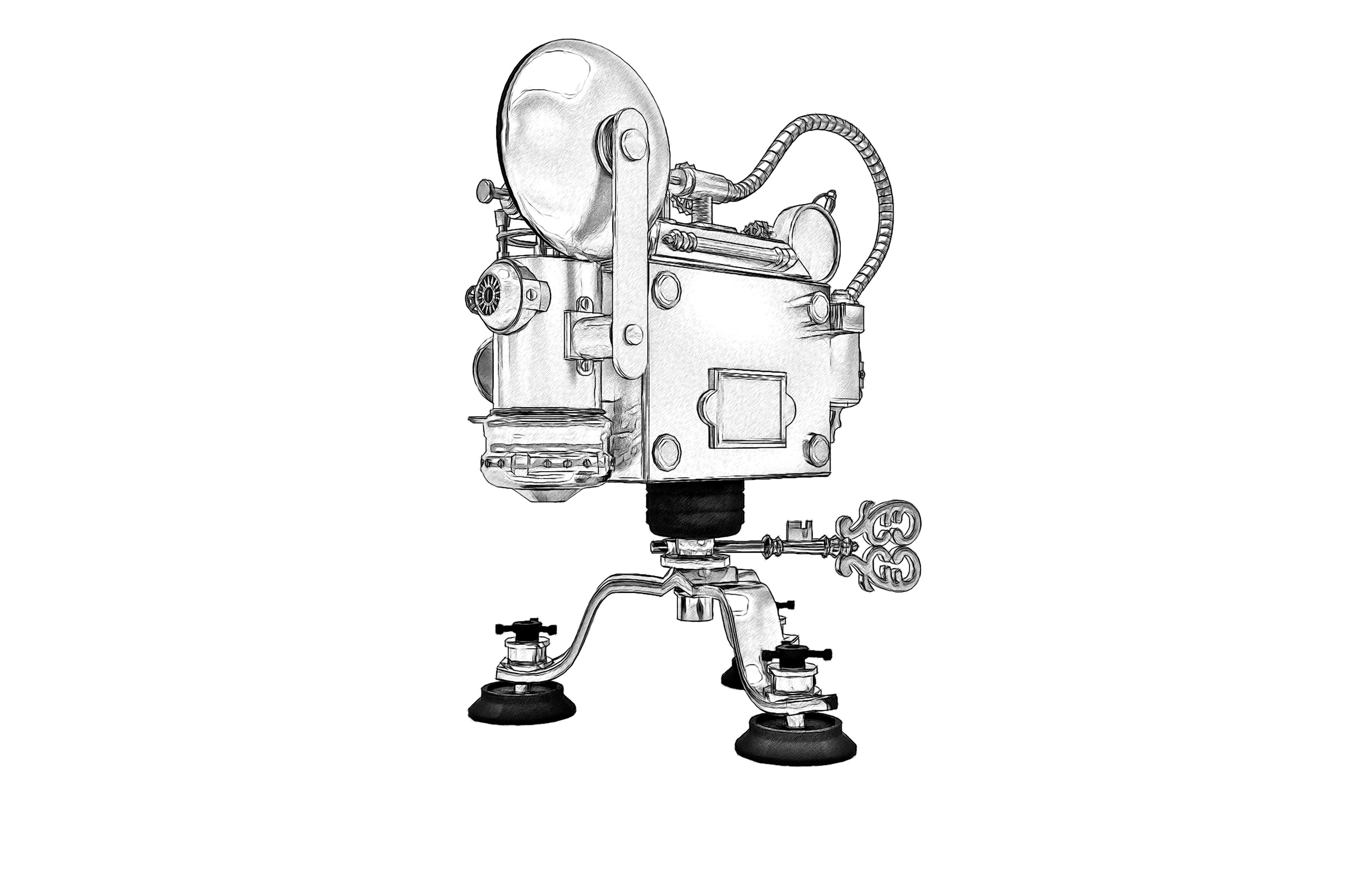
Any setting or object can be recreated in 3D and presented in PanoVR (rotatable and scalable 360° view) or ObjectVR (rotatable and scalable objects ). Multimedia content can be accessed in both digital editions (simply by linking to online content) and print editions (in this example, through QR code ).
Any multimedia device (PC, tablet or smartphone) becomes a gateway, transforming reading into a layered experience in which words and space interact without hierarchy, giving storytelling a new, profoundly contemporary dimension.
SPLENDOURS AND GRANDEURS OF DECADENCE
Once opened, the book cannot be closed.
The content goes beyond the page, unfolding into unimaginable worlds through metatextual material.
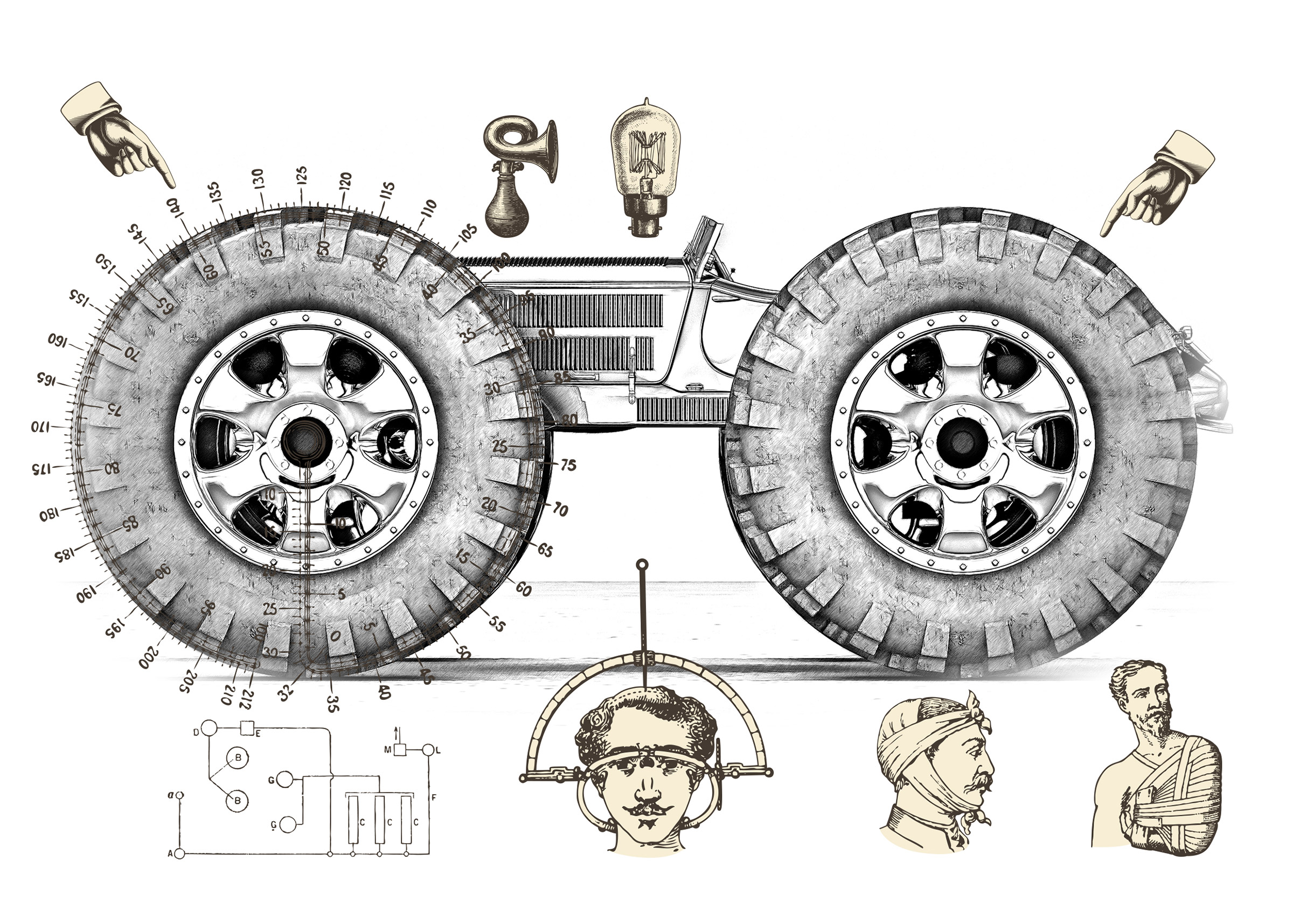
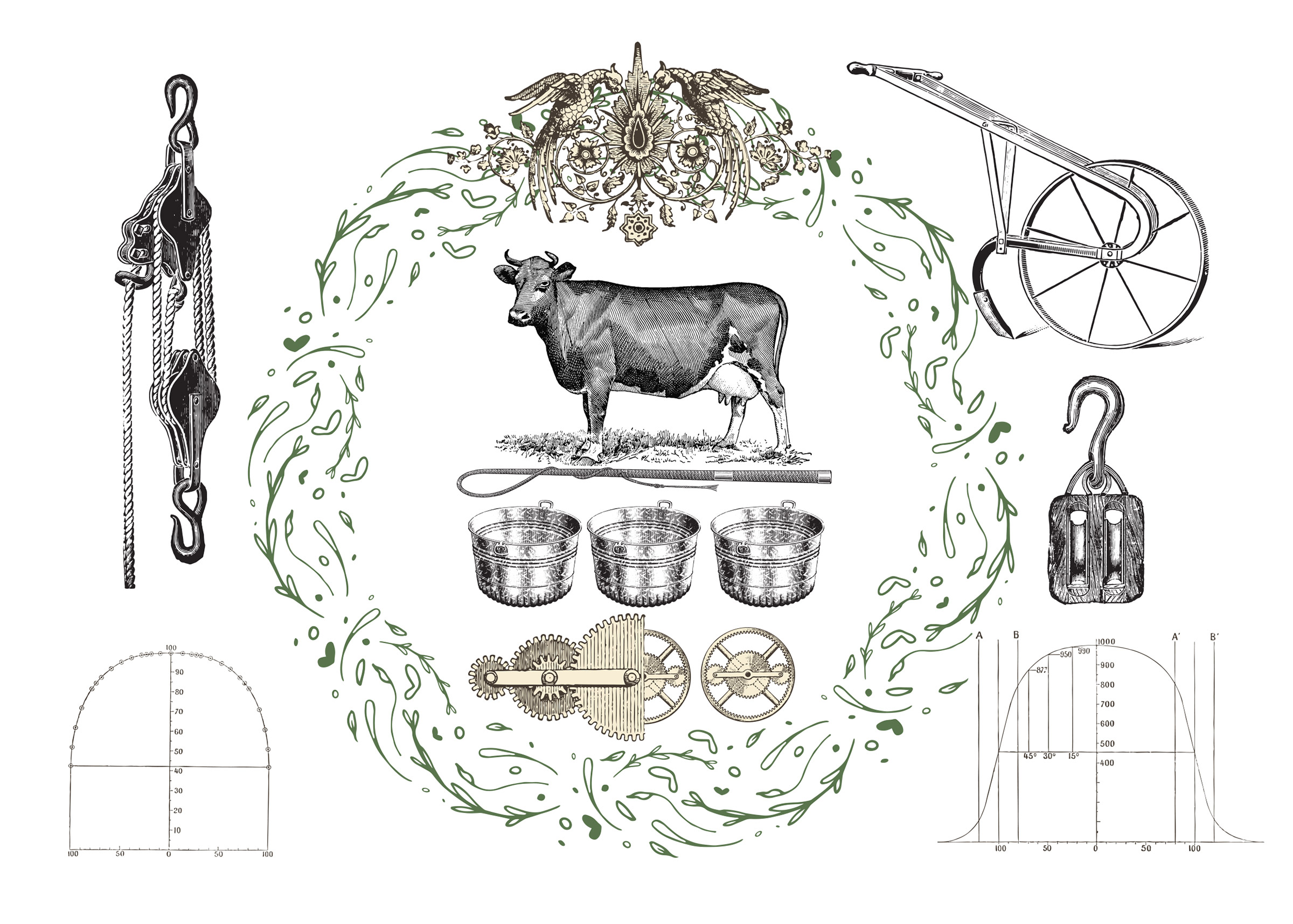
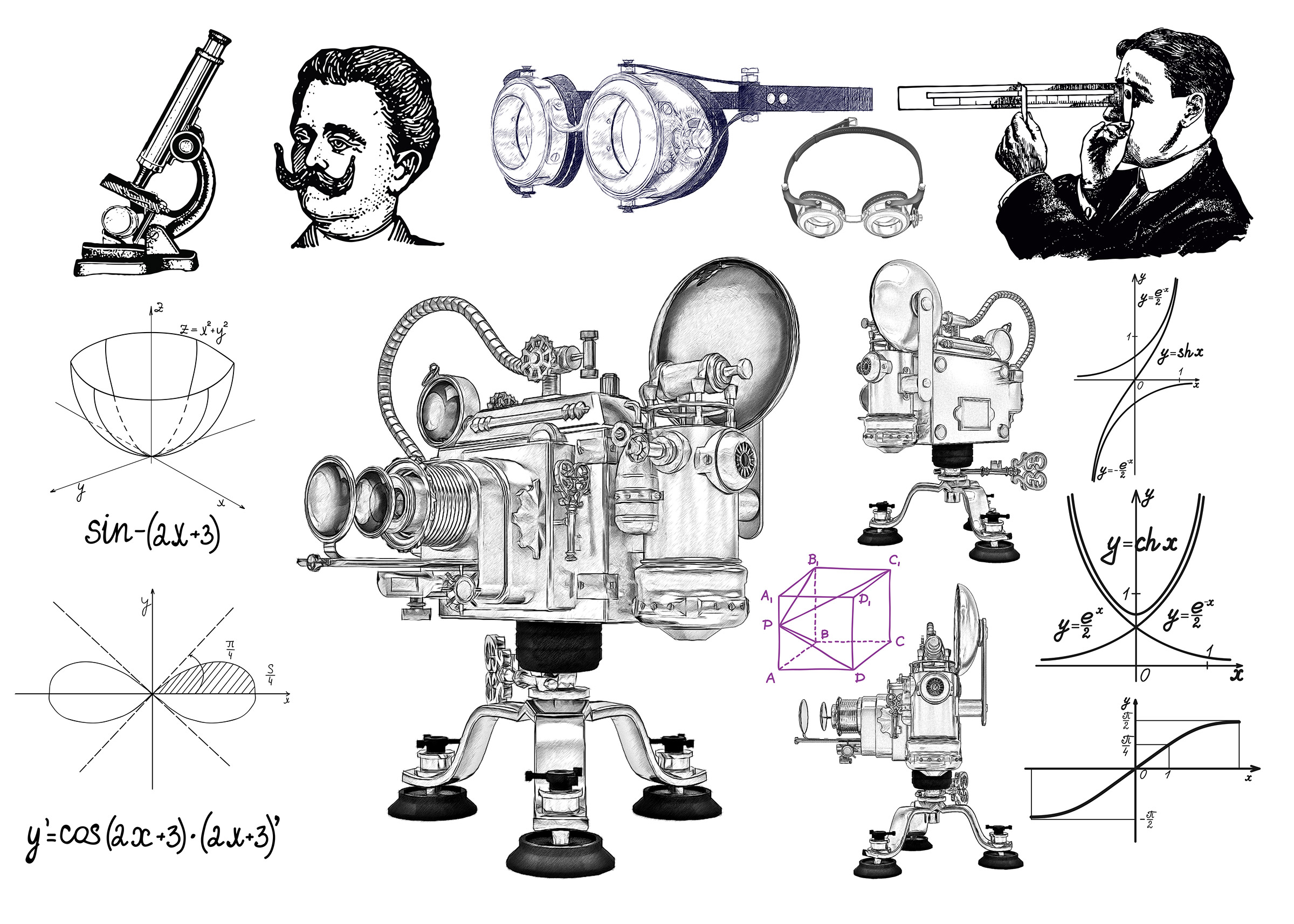
Every setting, object, machine, furnishing and character in the novel has been recreated digitally.
that expand the reader’s experience thanks to EX-FOLIO
versatile ingenuity and (not much) brain
THE STRUCTURE IS WOVEN FROM DIRECT AND INDIRECT QUOTATIONS, HYPERBOLES, PARAPROSDOKIA, ANTIPHRASES, ALLEGORIES AND CONTRASTS DRAWN FROM VARIOUS WORKS. THE NOVEL’S ACTION OFTEN RETRACES LITERARY SETTINGS AND CELEBRATED TOPOI, TRANSPLANTING THEM INTO THE EVERYDAY WORLD OF THE NARRATIVE.
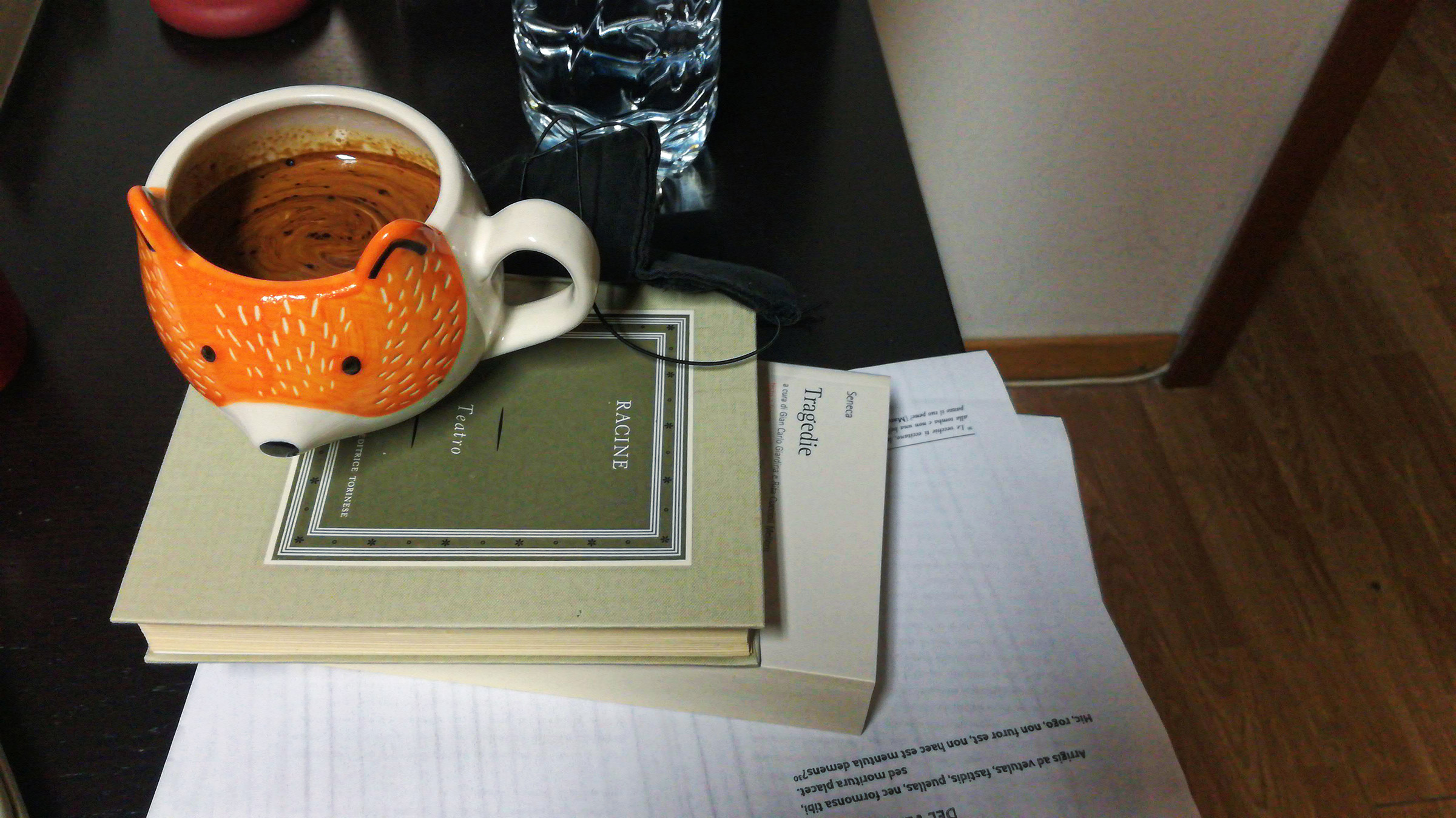
ARCHETYPES and sources may be respected, altered or completely overturned. The author calls this process Déjà-Lu (“already read,” by analogy with and lexical substitution for déjà-vu): an echo of tradition reverberating in the present, the cultural legacy of a shared memory. Déjà-Lu follows paths already traced, laying its own steps over the indelible footprints left by the Classics, while retaining the possibility of breaking free from the Masters to discover new narrative routes.
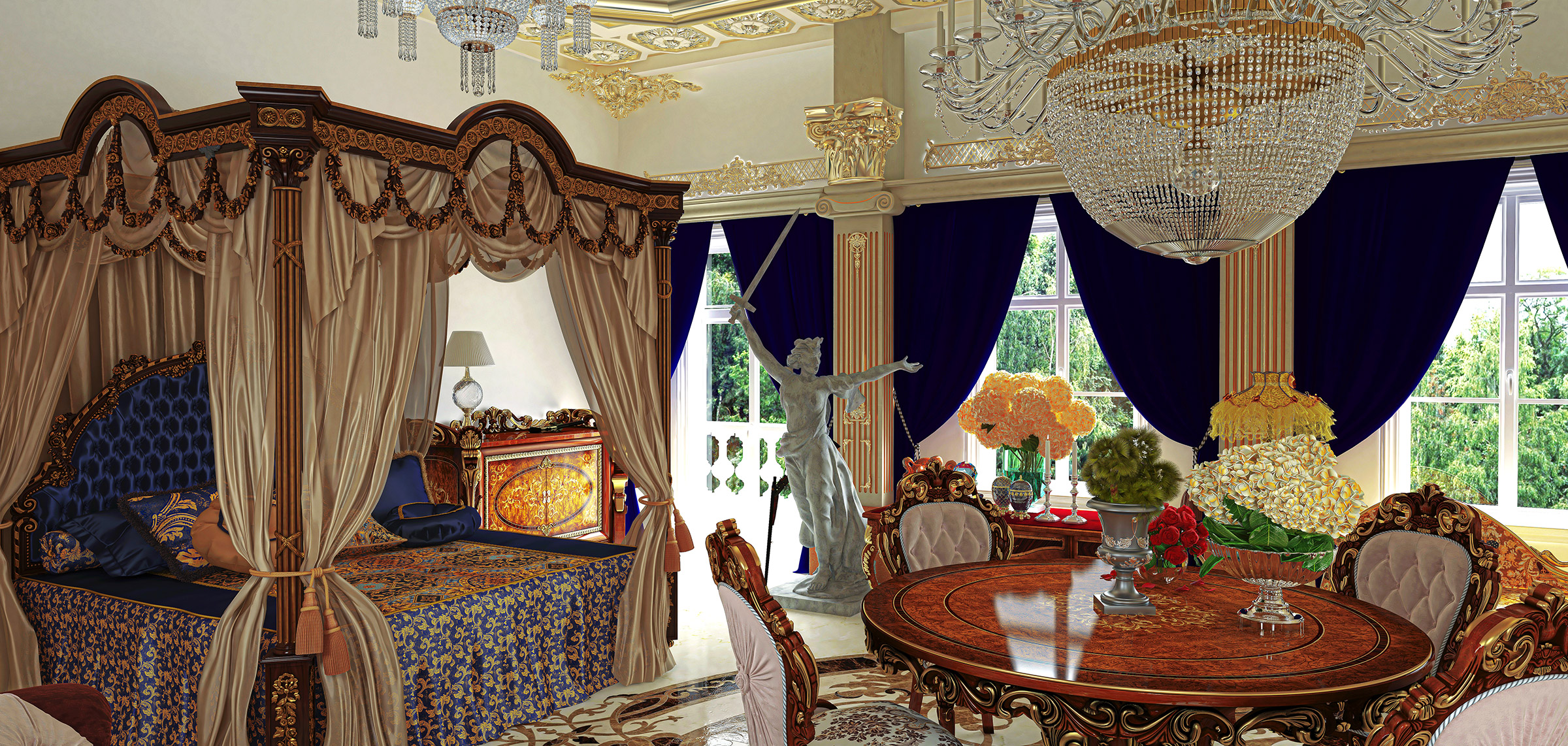
GOLDEN THREADS IN THE WARP, TO ENNOBLE THE WEAVE...